Manu Chandaria is one of Kenya’s most enduring and influential business figures, yet he remains remarkably understated for a man whose enterprises stretch across more than forty countries. Born in Nairobi in 1929, he rose from modest beginnings to create one of Africa’s most expansive manufacturing empires.
- Building the Comcraft Group: A Global Manufacturing Force
- The Brands and Subsidiaries Behind His Industrial Power
- A Conservative Billionaire: Wealth, Influence, and Global Recognition
- Philanthropy as a Second Empire: The Chandaria Foundation
- Leadership Philosophy: Global Vision, Kenyan Heart
- Challenges and Resilience in a Changing Economy
- Shaping Kenya’s Industrial Future
- A Legacy Defined by Impact, Not Wealth
His journey to the summit of East Africa’s industrial landscape is a story driven by discipline, understated ambition, family enterprise, and a lifelong belief that business must serve society—not the other way around.
Unlike many high-profile tycoons who dominate headlines with their personal wealth, Chandaria’s influence operates quietly through institutions, factories, foundations, and boardrooms. His presence is felt not in lavish displays, but in the steel that roofs homes, the aluminium that builds cities, and the philanthropic institutions that are shaping the next generation of Kenyan thinkers and innovators.
At over 95 years old, he remains an active voice in global business dialogues, economic policy discussions, and philanthropic strategy.
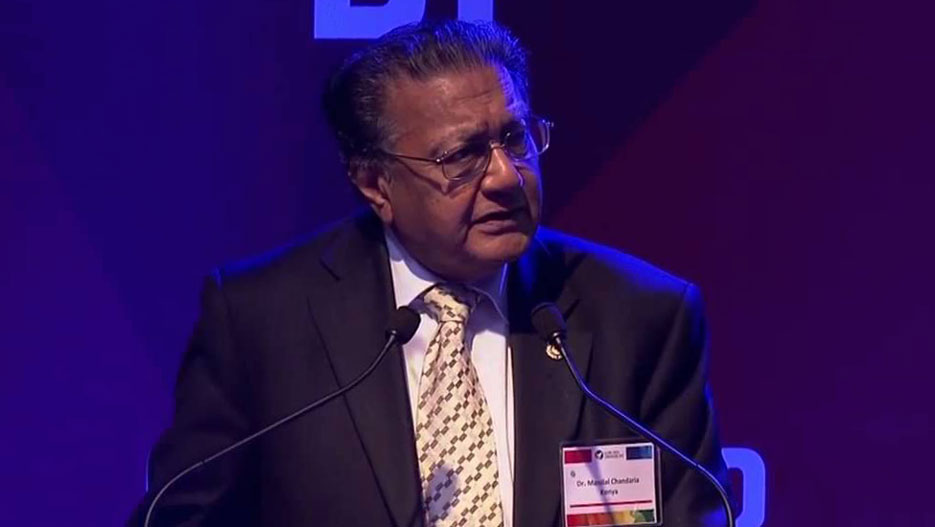
Building the Comcraft Group: A Global Manufacturing Force
At the heart of Chandaria’s business legacy is the Comcraft Group, a multinational manufacturing conglomerate with roots deeply anchored in Kenya. Comcraft produces steel, aluminium, and plastic products, supplying industries across Africa, Asia, and parts of Europe. It is regarded as one of Africa’s most geographically diverse industrial enterprises.
Although privately held and therefore not publicly valued, Comcraft is frequently described by analysts as a billion-dollar enterprise due to its vast operations and consistent expansion over decades. Chandaria’s leadership style—disciplined, methodical, and based on long-term vision—helped the company expand into markets with minimal infrastructure and high operational risks.
In Kenya, Chandaria also plays key roles in other major companies. He chairs Mabati Rolling Mills, Aluminium Africa, Kaluworks Limited, Insteel Limited, and has interests in several East African businesses that complement his larger industrial portfolio. Through these subsidiaries, his companies collectively supply building materials that power urban development, industrial construction, and household manufacturing in more than a dozen African countries.

The Brands and Subsidiaries Behind His Industrial Power
Chandaria’s influence extends far beyond just steel and aluminium. Over time, he developed a portfolio that touches insurance, food packaging, energy-related industries, and manufacturing services. Some of the brands and companies associated with his business empire include:
- Mabati Rolling Mills – A leading supplier of roofing materials in East Africa.
- Aluminium Africa Ltd (ALAF) – A major East African producer of aluminium sheets and structural materials.
- Kaluworks Ltd – Known for aluminium cookware and roofing sheets across the region.
- Insteel Ltd – Specialising in wire products used in construction and infrastructure.
- Kenindia Assurance – Where he has served in leadership roles and strategic oversight.
Through these brands, Chandaria’s footprint is embedded in thousands of homes, schools, hospitals, and commercial buildings across East Africa.
A Conservative Billionaire: Wealth, Influence, and Global Recognition
Attempts to estimate Chandaria’s net worth typically run into the same obstacle: his companies are private, and he has never publicly disclosed personal financial figures. However, he is widely recognised as one of Kenya’s most influential and wealthiest industrialists, with analysts consistently ranking him among the top business magnates in East Africa.
What sets him apart is his philosophy regarding wealth. Chandaria has repeatedly emphasised that money is not a trophy but a tool. He believes that wealth must flow back into society, a principle that guides his personal lifestyle—simple, thoughtful, and grounded.
His global reputation extends beyond Kenya. He serves on advisory boards and councils around the world, representing African industry in global discussions on manufacturing, sustainability, and responsible business practices.

Philanthropy as a Second Empire: The Chandaria Foundation
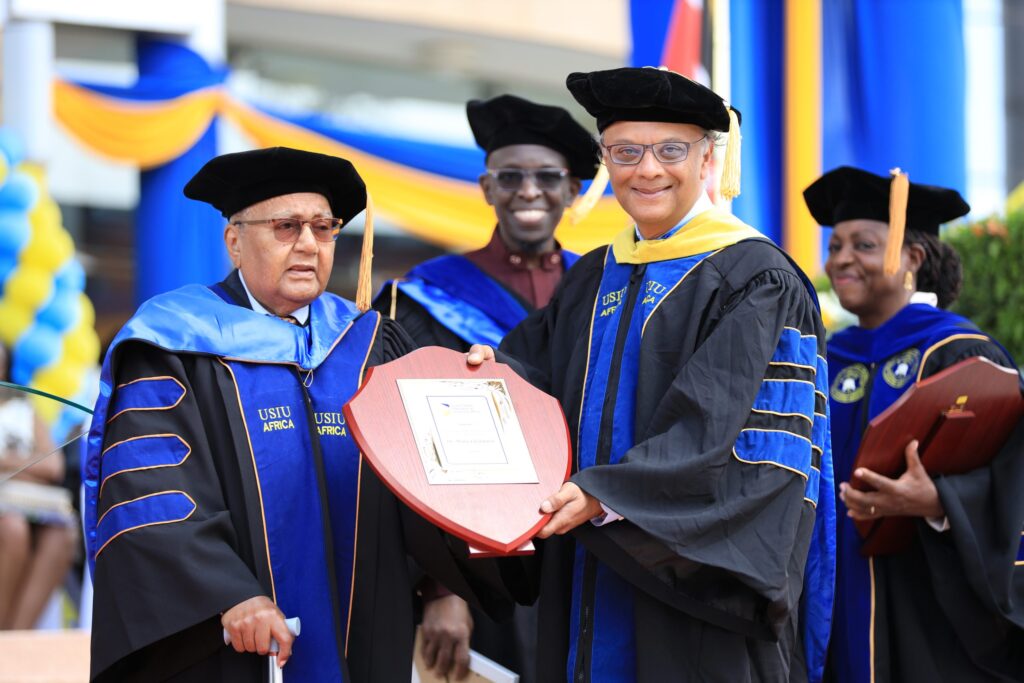
Perhaps the only enterprise as impactful as Comcraft is the Chandaria Foundation. Established in 1956, the foundation has funded hospitals, schools, community centres, and university programs for decades. It is responsible for some of Kenya’s most significant academic innovations, including:
- The Chandaria School of Business at USIU-Africa
- The Chandaria Business Innovation & Incubation Centre at Kenyatta University
- Numerous medical and community projects across Kenya
The foundation also operates in every country where Comcraft does business, extending its reach into education, health, and community development across Africa and Asia.
For Chandaria, philanthropy is not charity. It is responsibility. He describes it as “returning what society gives you,” a philosophy shaped deeply by his Jain upbringing, which emphasises community, non-violence, and social duty.
Leadership Philosophy: Global Vision, Kenyan Heart
Chandaria’s leadership style blends global training with Kenyan values. After receiving his master’s degree in engineering in the United States, he returned to Kenya to help expand his family’s small aluminium shop into a continental industrial empire. His worldview emphasises sustainability, long-term planning, and responsible leadership.
He is also a champion of peacebuilding and conflict resolution. Through his work with global peace organisations and interfaith dialogue groups, he has become one of the most respected voices advocating for stability and unity in Africa.
Challenges and Resilience in a Changing Economy
Even with decades of industrial influence, Chandaria’s empire has faced turbulence. One of the most significant challenges was the financial distress of Kaluworks, which went through debt restructuring and lender write-offs. Instead of retreating, Chandaria stepped in to stabilise the company, restructure operations, and safeguard jobs.
This approach reflects his broader philosophy: business success must withstand economic storms, leadership transitions, and global market shifts. His longevity in Kenya’s business landscape is a testament to resilience and strategic reinvention.
Shaping Kenya’s Industrial Future
Chandaria remains a powerful voice in shaping business policy through the Kenya Private Sector Alliance, economic councils, and regional business bodies. His emphasis on ethical leadership, job creation, and social impact continues to influence younger entrepreneurs and policymakers.
As Kenya pushes further into industrialisation, digital expansion, and regional integration, Chandaria’s legacy offers a blueprint for how African-led enterprises can grow without losing purpose.

A Legacy Defined by Impact, Not Wealth
At its core, the story of Manu Chandaria is not simply about wealth or empire-building. It is a story of responsibility—how business can transform countries, uplift communities, and inspire new generations.
His factories built industries. His foundation built futures. And his philosophy built a legacy that will continue shaping Kenya long after the last steel coil is rolled.