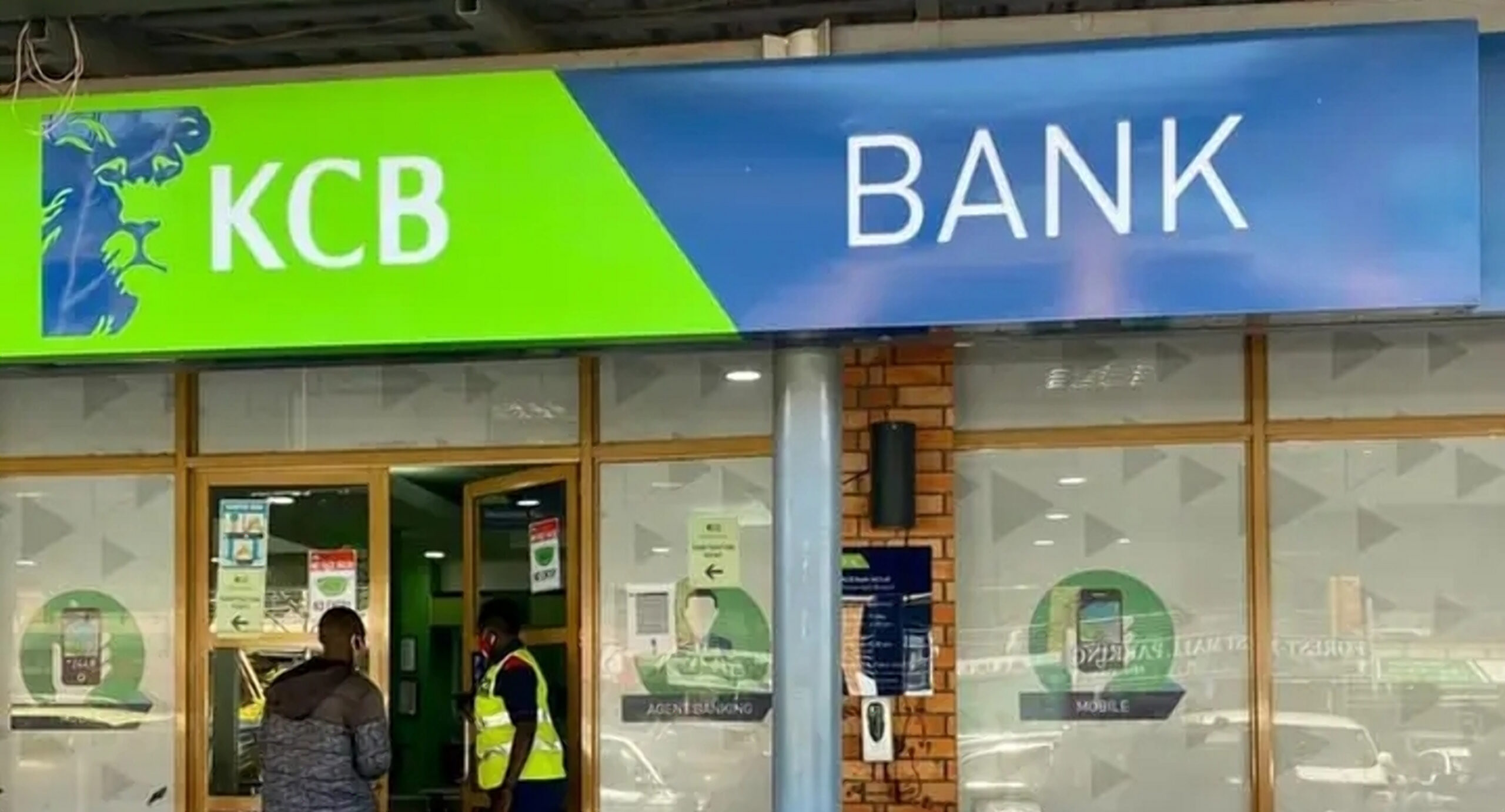
KCB Bank Kenya is facing a Sh1.3 billion compensation claim after a botched land auction in Naivasha that has turned into a complex legal battle at the Environment and Land Court (ELC).
Thank you for reading this post, don't forget to subscribe!The dispute involves trading firm M’Big Limited, Kenya Railways Corporation (KRC), and the lender, over two parcels of land valued at Sh95 million.
M’Big accuses KCB and KRC of blocking the completion of a 2017 auction sale, claiming that KRC unlawfully withheld consent to transfer the properties, while KCB allegedly ignored unpaid land rate arrears before proceeding with the auction.
The company is now seeking damages for financial losses, unpaid refunds, and missed business opportunities.
How the deal collapsed
Court filings show that M’Big purchased the Naivasha land from KCB in 2017 after another borrower, Economic Housing Group Ltd, defaulted on its loan. The buyer partly financed the purchase using a KCB loan secured by its Bungoma properties.
However, the deal stalled when KRC, which owns the land under lease, refused to issue consent for transfer.
The agency cited unpaid land rates and KCB’s failure to comply with Section 101 of the Land Act, which requires payment of a two percent fee on property sales. The dispute triggered a financial domino effect, with M’Big defaulting on its KCB loans used to finance the acquisition.

M’Big’s compensation demands
In court, M’Big is demanding a refund of the Sh95 million purchase price or an order compelling KRC to transfer the properties.
The firm is also seeking Sh94.8 million in loan penalties, Sh1.24 billion for lost business opportunities involving BAT Tobacco and Kenya Breweries distributorships, and Sh67 million for other lost ventures.
KCB has defended its position, saying it had obtained proper consent to charge the land and therefore did not require additional approval from KRC. KRC maintains it withheld consent lawfully due to the bank’s unpaid rates.
Court rules it’s a land dispute
Justice Mary Oundo, presiding over the matter, ruled that the case falls under the ELC’s jurisdiction since it primarily concerns a failed land transaction.
She dismissed KCB and KRC’s argument that it was a commercial dispute, stating that the financial claims arose directly from a collapsed sale and therefore belonged under the ELC.
The decision reinforces the court’s role in resolving complex disputes blending land and commercial issues, as scrutiny grows over Kenyan banks’ auction practices and their impact on property buyers.