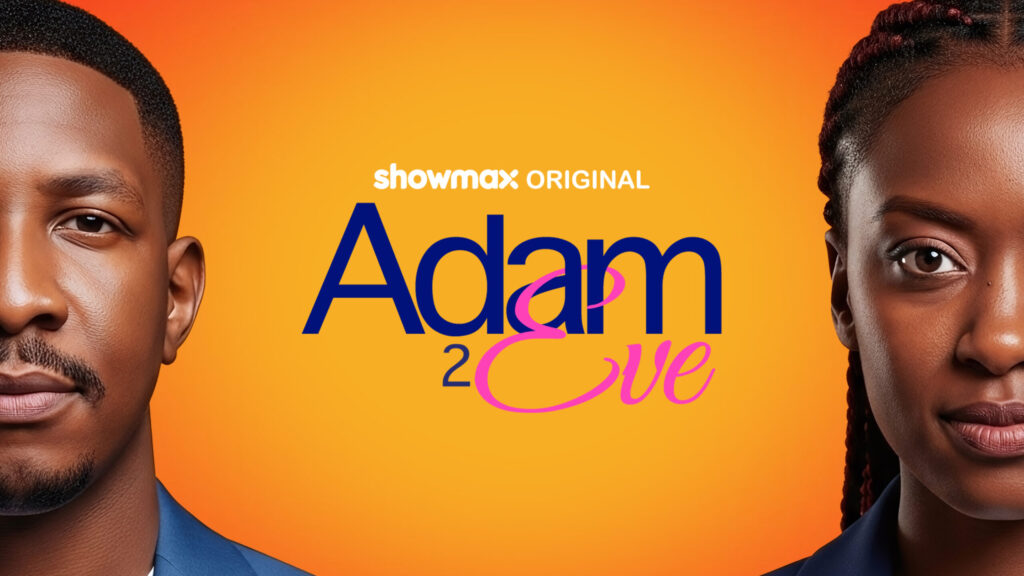
Showmax, the video streaming service owned by MultiChoice Group Ltd., is ramping up its original African content slate with the upcoming release of Adam to Eve, a new Kenyan dramedy that tackles themes of gender and privilege through a supernatural lens. The show, part of Showmax’s strategy to capture the expanding digital entertainment market across the continent, is set to premiere on November 26, 2025.
When a Nairobi playboy wakes up one morning as a woman, it sounds like the premise of a far-fetched comedy. But in Adam to Eve—the upcoming Showmax original series—this absurd twist becomes a mirror to Kenya’s ongoing conversations about gender, power, and privilege.
Behind the laughs and supernatural plotline lies a bold experiment in African storytelling. For Showmax, which is owned by MultiChoice Group Ltd., the show isn’t just another entry in its growing library—it’s part of a deliberate pivot toward high-concept African originals designed to challenge stereotypes, entertain local audiences, and compete with global streaming giants.

A Streaming Giant in Reinvention Mode
The African streaming market is at a turning point. After years of importing Western content, platforms like Showmax are now betting that local stories with universal themes are their ticket to dominance. Kenya, with its creative talent and digital-savvy youth, has become a key testing ground.
“Kenya offers a dynamic mix of urban storytelling and cultural depth,” says Alex Konstantaras, co-director and head writer of Adam to Eve. “We wanted a series that is funny and familiar—but also unafraid to poke at uncomfortable truths.”
That balance—between comedy and commentary—is what makes Adam to Eve stand out. Produced by Historia Films, the show stars Blessing Lungaho (Untying Kantai) as Adam, a confident, often chauvinistic Nairobi man who suddenly finds himself living life as Eve, a woman in the same body but a different reality. To break the curse, Adam must partner with his quiet twin brother in a redemption quest, performing good deeds that test everything he believes about gender roles and empathy.
From Fantasy to Social Mirror
At first glance, the series looks like a playful gender-swap story. But as it unfolds, Adam to Eve dives deeper—examining how everyday sexism and privilege shape relationships, workplaces, and even simple interactions in Nairobi’s social circles.
“It’s a story about seeing the world through someone else’s body, not just their eyes,” explains Executive Producer Lizz Njagah. “Kenyan audiences are ready for layered narratives—stories that make them laugh, think, and question how they treat one another.”
Njagah describes Adam to Eve as a “modern fable,” one that uses humor to unpack complex realities. While Western shows have long explored gender-bending or body-swap tropes (Freaky Friday, Tootsie, What Women Want), this production places the narrative squarely in a Kenyan context—complete with matatu rides, social media scandals, and the coded power games of Nairobi’s middle class.

The Writers’ Room Revolution
Behind the show’s sharp dialogue is a team of Kenyan storytellers reshaping how African television is written. Konstantaras leads a diverse writing team that includes Serah Mwihaki (Single Kiasi) and Tony Koros (Tithes and Offerings), both known for blending realism and wit. Together, they crafted a series that feels grounded in local life while appealing to global audiences.
“The goal was to avoid clichés,” says Mwihaki. “We didn’t want to make a morality tale. We wanted a story that entertains but still confronts how gender and privilege operate in subtle ways.”
Their approach is paying off. Early teasers from Showmax indicate a visually rich production—colorful, fast-paced, and unapologetically Nairobi. The cinematography, handled by Aggie Nyagari (Janjaruka), captures the contrasts of city life: sleek offices, chaotic boda rides, and the intimate domestic spaces where identity often collides with expectation.
Local Stars, Global Standards
The cast reads like a who’s who of Kenya’s new-generation screen icons. Blessing Lungaho brings charisma and emotional range to the lead role, balancing humor with vulnerability. Celestine Gachuhi (Selina) and Ellah Maina (Sincerely Daisy), both Kalasha Award winners, round out the ensemble with strong supporting performances. Kieran Ratanya (Varshita) plays the morally grounded twin, adding depth and humor to the redemptive journey.
For Njagah and Konstantaras, both veterans of the Kenyan film scene, Adam to Eve is also a showcase of homegrown professionalism. “The Kenyan industry has grown immensely,” says Njagah. “We now have the crew, the facilities, and the discipline to produce at international standards—without losing our authenticity.”
Streaming Wars and the African Audience
Showmax’s strategic investment in such productions signals a wider shift in the entertainment economy. With Netflix, Amazon Prime Video, and Disney+ expanding in Africa, competition is fierce. Showmax, which recently announced a major relaunch and a partnership with Comcast’s NBCUniversal, is countering by doubling down on local originals that speak to African realities.
Industry analysts see Adam to Eve as a key part of that strategy. The show’s blend of fantasy and social commentary gives Showmax something global rivals struggle to replicate: cultural intimacy.
“International platforms often miss the nuance of African humor and context,” says media critic Carol Njoroge. “What Adam to Eve does brilliantly is merge entertainment with social reflection—something that resonates deeply with younger, socially aware audiences.”
The Culture Shift: Gender, Power, and Empathy
Kenya’s pop culture has long reflected its social tensions—whether in music, fashion, or online discourse. Adam to Eve enters that space as both a comedy and a critique. By flipping the gender dynamic, it invites viewers to rethink everyday experiences—catcalling, pay gaps, or casual bias—not as abstract debates but as lived realities.
In recent years, gender equality has become one of the most contested issues in Kenyan media, from political representation to workplace inclusion. Social platforms like X (formerly Twitter) and TikTok have amplified these conversations, often polarizing them. Adam to Eve uses fiction to lower the temperature, allowing empathy to lead where arguments usually dominate.
“Humor opens the door,” Njagah says. “If you can make someone laugh, you can make them listen.”
The Bigger Picture
Beyond its story, Adam to Eve reflects the quiet revolution underway in African storytelling. A decade ago, locally produced TV was often formulaic—soap operas, slapstick comedies, or political dramas with limited budgets. Now, a generation of digital-native filmmakers is experimenting with genre, using streaming platforms as both creative playgrounds and distribution lifelines.
Showmax, in turn, benefits from the credibility of projects like this. Each hit strengthens its identity as a champion of African originality rather than a conduit for imported content.
For the creative team behind Adam to Eve, the reward is cultural more than commercial. “If people laugh, debate, and maybe see life differently after watching, we’ll have done our job,” Konstantaras says.
Walking in Another’s Story
As Showmax prepares to premiere Adam to Eve on November 26, 2025, anticipation is building—not just for the laughs, but for what it represents. The show blurs the line between entertainment and social experiment, suggesting that Kenya’s next creative export might not be a feel-good drama or a crime thriller, but a gender-bending, heart-tugging dramedy that dares its audience to imagine change.
Because in a world where everyone is shouting to be heard, Adam to Eve whispers a timeless question: what if empathy began with experience?