Kenya’s long-anticipated nuclear power dream is stepping out of policy papers and into the early stages of execution after the government confirmed that KenGen will own and operate the country’s first nuclear plant. The announcement signals a major restructuring of Kenya’s future energy mix as demand rises across manufacturing, digital infrastructure, and large-scale industrialization.
The Energy Ministry has described the appointment as a strategic and historic milestone, placing responsibility in the hands of Kenya’s largest electricity producer. Officials say the decision aligns technical expertise with public trust at a time when concerns about safety, transparency and environmental impact remain high.
A historic shift in Kenya’s energy strategy
Energy Cabinet Secretary Opiyo Wandayi called the move “the beginning of Kenya’s nuclear-power era,” confirming that the first plant will carry an initial output of around 2 GW. The capacity is expected to scale up to as much as 6 GW as the programme matures.
Interviews with senior ministry officials reveal that the project has been in quiet preparation for years. Feasibility studies, environmental assessments and location analyses have been underway under the Nuclear Power and Energy Agency (NuPEA), though details remain shielded from public scrutiny. The government has not yet disclosed the final site, but earlier reports pointed to coastal regions and parts of Eastern Kenya as primary contenders.
Investigations show that global partners have been courting Kenya’s nuclear ambitions, with teams from China, Russia, South Korea and the United States expressing interest in past technical exchanges. Whether they will participate directly in construction or technology transfer remains uncertain.
New joint framework raises questions on readiness
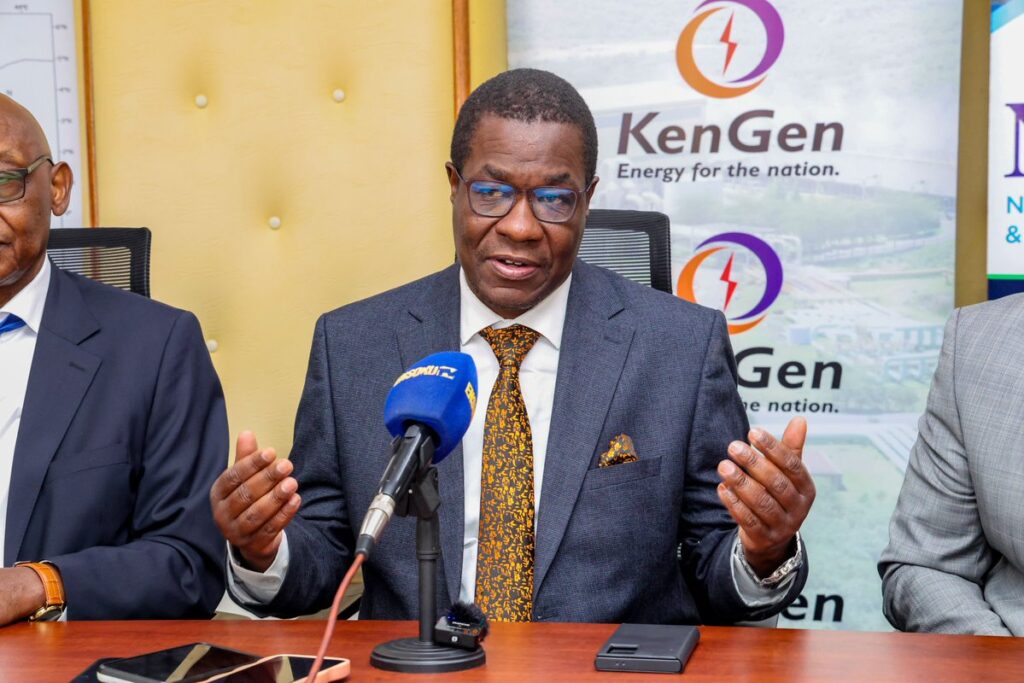
To coordinate the rollout, KenGen and NuPEA have signed a Memorandum of Understanding establishing a Joint Engagement Framework. According to internal documents reviewed by this publication, the framework will oversee public education, county-level consultations and institutional preparedness.
A Joint Working Group will take charge of training journalists, technical officers and county officials on nuclear basics, a move aimed at countering misinformation and building public acceptance. It will also design a national communication plan and map out key stakeholders in affected regions.
However, experts warn that communication alone cannot fill gaps in Kenya’s technical capacity. Interviews with independent energy analysts reveal concerns about the country’s limited number of nuclear engineers and the absence of strict regulatory systems comparable to those in long-established nuclear economies. Kenya currently relies heavily on foreign expertise for nuclear feasibility assessments.
KenGen positions itself as a nuclear leader
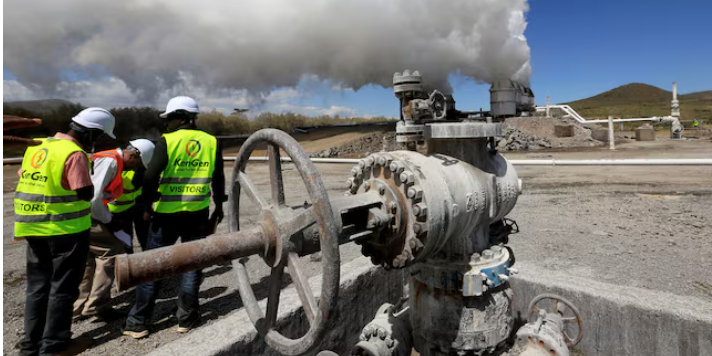
KenGen’s board chair, Alfred Agoi, said the company’s experience managing geothermal, hydro, wind and solar plants provides a strong foundation for nuclear operations. KenGen currently runs Africa’s largest geothermal portfolio, which contributes more than 40 percent of Kenya’s electricity.
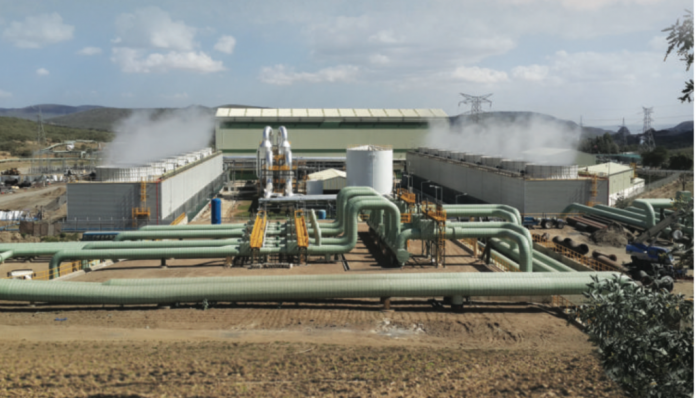
But nuclear technology introduces a far more complex operational and safety environment. Investigations show that KenGen has already begun preliminary capacity-building initiatives, including partnerships with international nuclear agencies. Insiders say staff exchanges, scholarships and training programmes have been quietly underway for months.
Managing Director and CEO Peter Njenga says nuclear energy will provide stable, low-carbon power that is crucial for Kenya’s industrial expansion. “This agreement is a step toward strengthening Kenya’s long-term energy security,” he said during the announcement.
Still, the scale of investment remains a major concern. Comparable plants in other developing countries have cost between $5 billion and $15 billion. Kenya’s ability to finance a project of this magnitude without burdening taxpayers or deepening public debt remains unclear.
Public trust and environmental concerns rise
Despite reassurances from KenGen and the Energy Ministry, community groups and environmental activists say the government has not provided enough transparency. Interviews with civil society actors reveal that many fear displacement, radiation risks, and long-term waste management challenges.
Several organizations argue that Kenya’s disaster-response system remains weak, citing delays and mismanagement during past industrial incidents. They question whether Kenya is ready for a high-risk technology that requires flawless safety enforcement.
NuPEA maintains that Kenya will follow International Atomic Energy Agency (IAEA) guidelines and that all safeguards will be addressed before construction begins. Public participation forums are expected to start later this year, though previous outreach attempts attracted limited rural attendance.
Energy demand is driving urgency
Kenya’s appetite for electricity is rising faster than expected. Manufacturing, ICT infrastructure, data centers, electric mobility and industrial parks continue to push national demand upward. Analysts confirm that current renewable sources, though reliable, may not sustain future needs without significant reinforcement.
The nuclear plan is expected to diversify the national grid, providing constant baseload power to complement intermittent sources like wind and solar. Government insiders say that Kenya cannot afford to fall behind as regional competitors like Egypt, South Africa and Rwanda deepen their nuclear programs.
A long road ahead
The timeline for construction remains uncertain, but officials suggest the first plant could begin operations in the mid-2030s if approvals, financing and construction proceed without delays. Historically, nuclear projects worldwide face prolonged timelines due to regulatory checks and public pressure.
As Kenya moves into uncharted territory, the biggest tests will revolve around financing transparency, safety guarantees and building public trust. For now, the country has taken its boldest step yet—handing the reins of a future nuclear economy to KenGen.