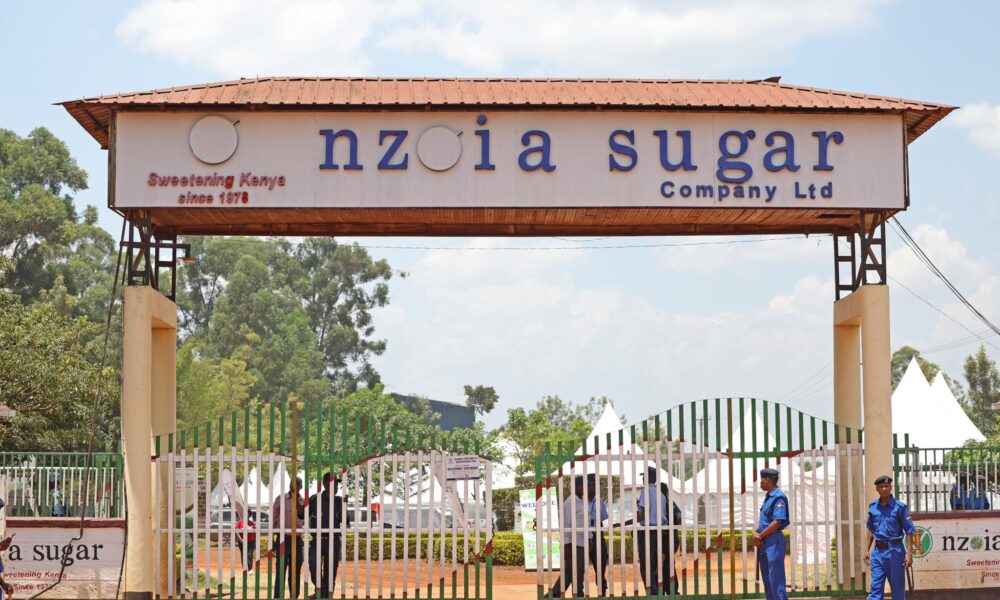
After lying dormant for seven months, Nzoia Sugar Company’s milling lines are turning again, breathing hope into one of Kenya’s largest sugar catchment areas. The factory had not milled in months after operations ceased under the weight of dilapidated machinery, financial strain, and inefficient management. Its revival follows a controversial lease by West Kenya Sugar Company, which stepped in under a government-arranged model.
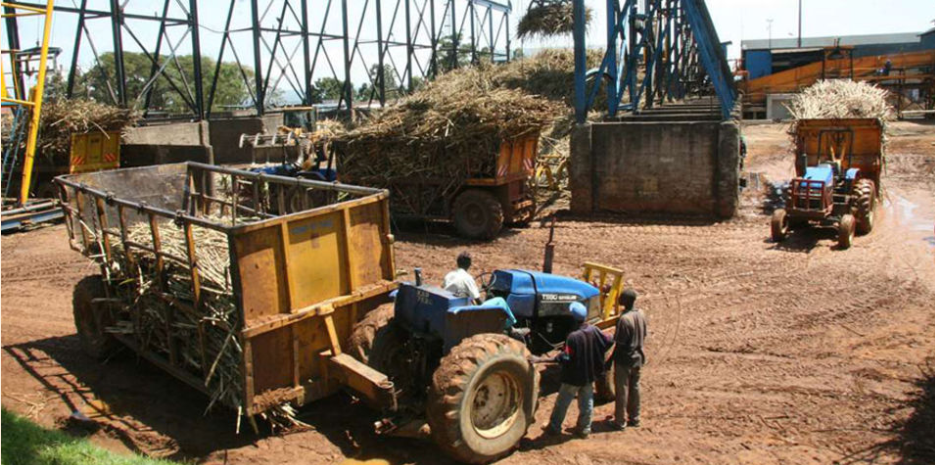
The long shutdown left heaps of uncrushed cane drying in yards and farmers without buyers, straining rural economies. What seemed like another failed state enterprise has now sparked fresh debate about private versus public management of strategic agricultural assets.
The lease that saved it?
In May 2025, the government leased Nzoia Sugar, along with other state-owned mills, to private operators for 30 years, aiming to curb chronic inefficiencies and revive production. Under this model, West Kenya Sugar Company assumed control, investing in extensive rehabilitation.
Process manager Isaac Wasike revealed that the overhaul went far beyond simple repairs. Critical components such as turbines, roller shells, boiler tubes, and cane preparation systems were rebuilt or replaced.
Such heavy investment underscores how neglected the factory had become over years of under-maintenance under state control — a reality industry insiders have long warned about.
From decay to automation
The rehabilitation was far from cosmetic. Engineers integrated automation into key production sections and upgraded sugar and water pumps to improve extraction efficiency. Wasike claims the factory can now operate at its design capacity of 3,000 tonnes of cane per day.
These technical improvements have raised extraction rates to an expected 96 percent, reversing losses previously caused by worn-out parts and leakages.
However, the scale of work revealed just how deep the deterioration had been — a condition now laid bare as part of the industry’s broader structural challenges.
Farmers left in limbo
While the factory was silent, growers faced severe economic disruption. Cane that should have been processed sat unharvested or went to waste, cutting off vital income streams for outgrowers across Bungoma and neighbouring counties.
Local farmers and workers watched as opportunities evaporated, and transporters and support services dried up. For many, the restart is more than symbolic — it’s a chance to recover income lost to the shutdown. Residents like boda-rider James Wafula say they expect increased business as workers return and economic activity resumes around the mill.
Yet lingering questions remain about how quickly recovery will translate into stable earnings and sustainable supply contracts for growers.
Supply chain pressures
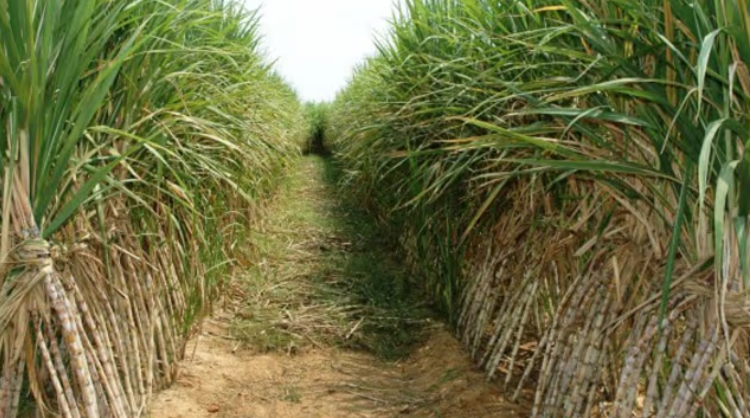
CEO Sohan Sharma says about 490,000 tonnes of cane are available from outgrowers and the nucleus estate, sufficient to sustain continuous milling from December 2025 through June 2026.
But that supply is temporary. The next critical challenge will be avoiding future shutdowns due to cane shortages — a problem that previously plagued the industry and prompted government shutdowns across multiple mills.
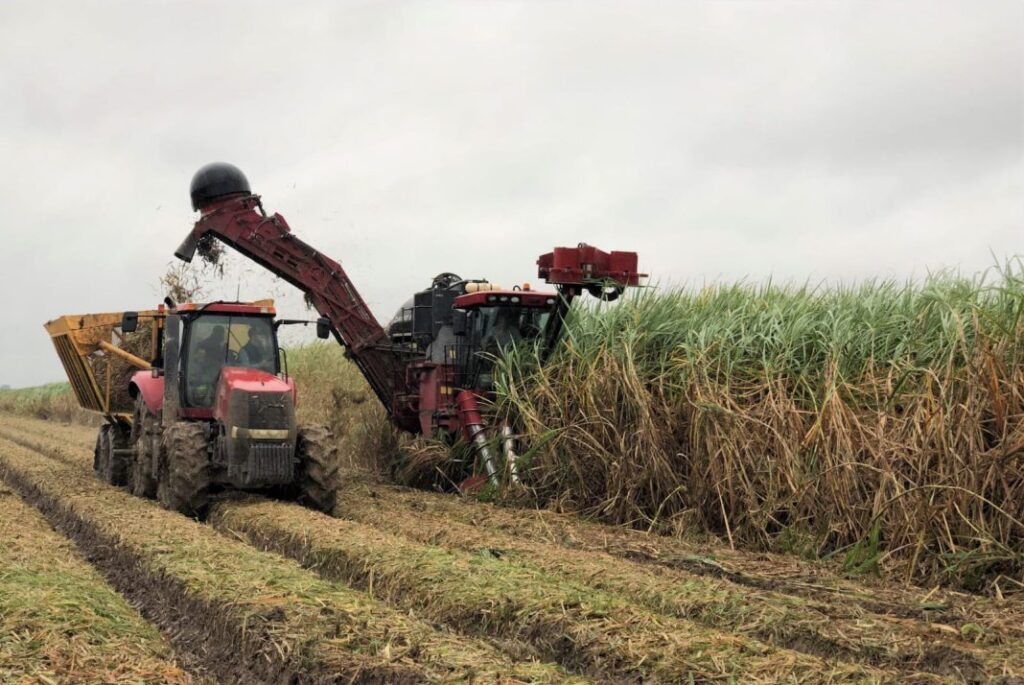
To address this, management plans to expand cane cultivation by 12,500 acres, support farmers with land preparation and quality seed distribution, and invest in irrigation across its nucleus estate.
How effectively these measures translate into stable, year-round supply will determine whether the restart is durable or another short-lived comeback.
Private lease model under scrutiny
The lease approach has been controversial. Critics argued it would transfer public assets into private hands without sufficient transparency and accountability. Protests erupted in May when politicians attempted to challenge the lease’s terms, leading to police interventions and public unrest.
Supporters claim private operators bring capital, management expertise, and modernisation that state control lacked. The contrasting narratives — rescue versus sell-off — reflect the sector’s deep politicisation.
How this model unfolds at Nzoia may influence future decisions about other leasing deals in Kenya’s sugar belt.
Jobs and economic ripple effects
The resumption is expected to reinvigorate local economies beyond the mill gates. Employment opportunities for factory workers, drivers, vendors, and support services will likely expand. Sharma’s pledge to ensure prompt payments and harvest support aims to boost local incomes.
In regions where opportunities remain scarce, such developments can change entire community dynamics. But if operations falter again, the fallout could deepen scepticism about private management of critical agro-processing assets.
Sustainability beyond milling
Operational revival alone won’t solve the structural issues that have long plagued Kenya’s sugar sector. Challenges such as outdated infrastructure, fragmented supply zones, and market distortions remain. The factory’s new automation and mechanisation are promising, but long-term success also depends on maintaining supply discipline and commercial viability.
There’s also a broader industry context: Kenya recently exited the COMESA Sugar Safeguard regime after 24 years, signaling confidence in domestic production and competitiveness.
This macro shift, coupled with on-the-ground reinvestment, could help reframe sugar production as a viable economic engine when paired with structural reforms.
Political and social tensions
Sugar production has long been entangled with politics. Lease deals and factory closures have triggered protests, legal battles, and political rivalry. The response to West Kenya Sugar’s takeover of the mill highlighted underlying social tensions about control, jobs, and regional pride.
Such dynamics complicate operational decisions and underscore the need for transparent communication between investors, government, and communities.
Only when trust is rebuilt will the sector be able to move beyond cycles of boom and bust.
What success looks like
For farmers, success means predictable pricing and timely payments. For workers, it means consistent employment and improved working conditions. For investors and the government, it means a commercially viable model that doesn’t require recurrent bailouts.
If Nzoia Sugar can sustain operations at full capacity, fulfil its expanded cane development plans, and manage supply efficiently, it could become a model for rehabilitating other ailing mills. But if it falters, the shutdown will be remembered as merely postponed, not solved.
The next months of production will be a decisive test of whether private leasing can deliver on its transformative promise.