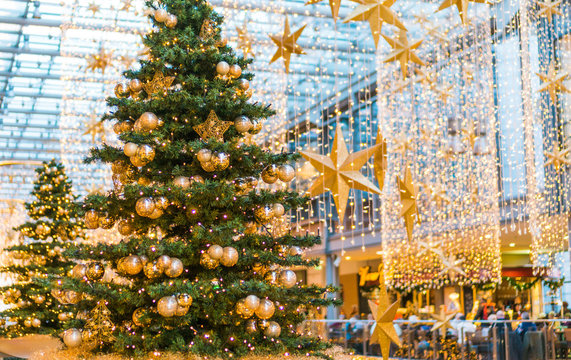
In early December, weeks before Christmas Day itself, Golden City Mall is already glowing. Artificial snow drapes over glass railings, choreographed carols echo through atriums, and towering Christmas trees compete with brand signage for attention. What was once a quiet religious and family-centred season in Kenya is increasingly unfolding inside malls, with Golden City Mall emerging as one of the most visible symbols of that shift. This transformation raises an uncomfortable question: who really owns Christmas now?
Thank you for reading this post, don't forget to subscribe!Across urban Kenya, Christmas preparations have moved away from homes, churches and rural gatherings into controlled commercial spaces. Golden City Mall has positioned itself not merely as a shopping destination, but as the epicentre of festive life, where celebration, consumption and identity merge. Behind the lights and promotions lies a deeper reconfiguration of how Kenyans experience December.
Engineering the festive experience
Golden City Mall’s Christmas does not happen organically. Planning begins months in advance, according to retail insiders familiar with mall operations. Decorations, tenant promotions, entertainment schedules and social media campaigns are tightly coordinated to create a seamless festive atmosphere that nudges visitors toward spending.
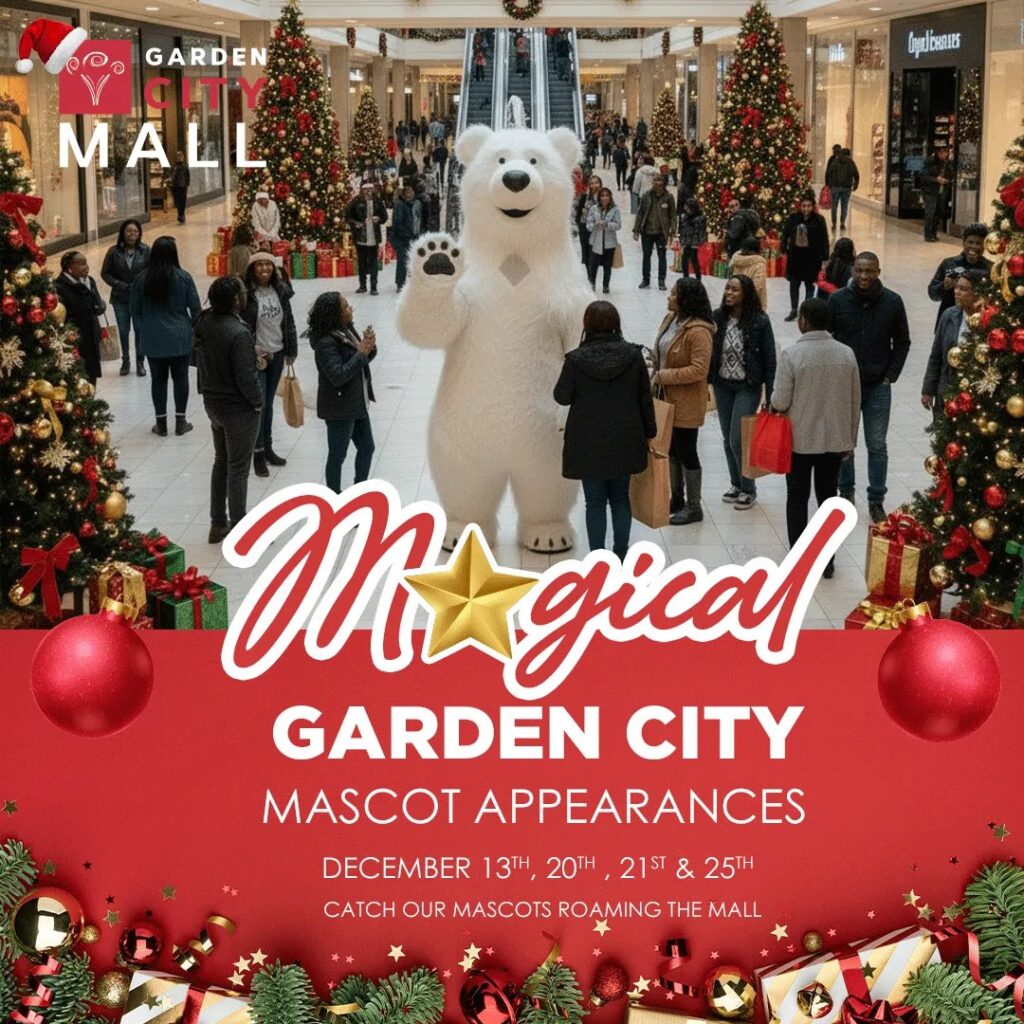
The mall’s management curates Christmas as an experience rather than a date on the calendar. Choir performances are timed to peak shopping hours, children’s attractions are placed near anchor tenants, and festive discounts are synchronised across stores. The result is an environment where celebration and consumption are inseparable.
This orchestration gives the mall enormous influence over how Christmas feels, looks and unfolds. It also subtly shifts power away from cultural and religious institutions toward corporate planners and marketing teams.
Retail dominance and economic gravity
Golden City Mall’s growing dominance during the festive season reflects broader economic realities. With rising urbanisation, shrinking living spaces and heavy traffic congestion, malls offer convenience, safety and climate-controlled comfort. For many families, a mall visit replaces traditional Christmas outings.
Small traders and informal vendors, however, struggle to compete. Street markets, once vibrant during December, report reduced foot traffic as shoppers gravitate toward the predictability of mall-based retail. Church fundraisers and community events also face competition from mall-hosted concerts, raffles and giveaways.
This concentration of festive spending inside malls consolidates economic power. Money that once circulated through neighbourhoods increasingly flows to large retail chains and property owners, reshaping local economies in subtle but lasting ways.
Faith, culture and quiet displacement
Christmas in Kenya has historically blended Christian observance with communal traditions, homecoming rituals and rural celebrations. Golden City Mall’s version of Christmas prioritises spectacle over spirituality, offering a polished but diluted interpretation of the season.
Church leaders privately express concern that Christmas messaging inside malls strips the holiday of its meaning, replacing reflection with relentless promotion. Nativity scenes, where they exist, are often reduced to decorative props rather than spiritual symbols.
This is not an outright erasure of faith, but a quiet displacement. The centre of gravity shifts from church pews and family compounds to food courts and branded grottos, subtly redefining what it means to participate in Christmas.
The social pressure to consume
Golden City Mall’s festive transformation also amplifies social pressure. Carefully curated displays of abundance can heighten feelings of exclusion for those unable to participate fully. Christmas becomes something to be purchased, documented and shared online.
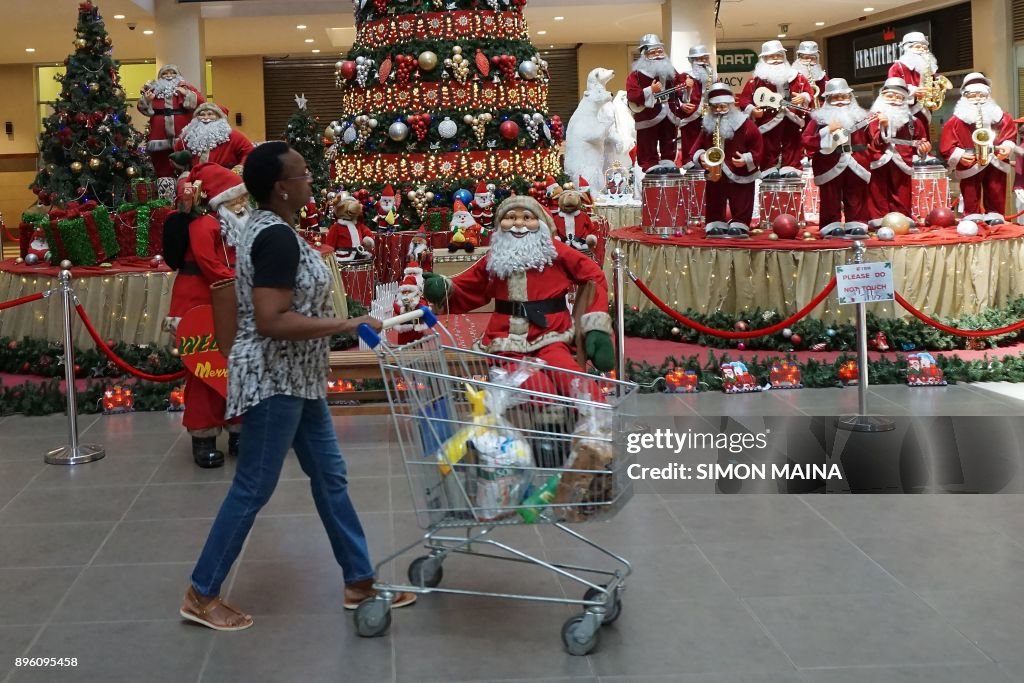
Parents face expectations to deliver mall-based experiences to their children, from photos with Santa figures to branded gifts. Young people absorb the idea that celebration requires spending, reinforcing consumer norms that extend beyond December.
For low-income families, the mall’s Christmas can feel aspirational but inaccessible. The season’s joy becomes conditional, tied to purchasing power rather than communal belonging.
Security, control and curated joy
Golden City Mall’s festive environment is also defined by control. Security guards regulate movement, private rules govern behaviour, and celebrations occur within clearly defined boundaries. This creates a sense of safety but also limits spontaneity.
Unlike public spaces, malls decide who can perform, sell or gather. Informal carolers, street artists and hawkers are excluded, replaced by approved entertainers and licensed vendors. Christmas becomes orderly, predictable and commercially safe.
This control shapes not only behaviour but memory. For many children, their strongest Christmas recollections are now tied to malls rather than homes or villages.
A mirror of Kenya’s urban future
Golden City Mall’s Christmas dominance reflects Kenya’s broader urban transition. As cities expand and private spaces replace public ones, cultural moments increasingly belong to those who own infrastructure. Christmas becomes less a shared social ritual and more a managed product.
This does not mean Kenyans have abandoned tradition entirely. Rural travel still spikes in December, and churches remain active. Yet the symbolic centre of the season is shifting, especially for urban families.
Golden City Mall is not merely responding to demand; it is actively shaping it, redefining expectations around celebration, gifting and togetherness.
Who really owns Christmas now?
The question is not whether malls should celebrate Christmas, but what is lost when they dominate it. When a commercial space becomes the primary stage for a national holiday, cultural meaning risks being narrowed to what can be sold.
Golden City Mall’s festive transformation offers comfort, excitement and convenience. But it also concentrates influence over one of Kenya’s most significant social seasons in private hands.
As Christmas lights glow brighter each year inside shopping centres, Kenyans may need to ask whether celebration has quietly changed ownership, and whether reclaiming its meaning requires stepping outside the mall doors.