Kenya’s construction industry has continued its upward climb in early 2025, but this boom brings scrutiny over the sector’s contribution to carbon emissions. In Nairobi, the shift toward greener building materials has accelerated, with Bamburi Cement emerging as the single most influential driver of this transition.
Bamburi, part of the global Holcim Group, has aggressively positioned its green concrete line as the future of responsible construction. The company’s strategy reflects years of investment in lowering clinker use, replacing traditional formulations with pozzolana and ground granulated blast-furnace slag to reduce embodied carbon.
An internal report released in February 2025 reveals that Nairobi’s registered contractors increased their uptake of Bamburi’s eco-labelled concrete by 18% compared to Q1 2024. The figures were shared after the company’s “Sustainable Building Dialogue” forum in Westlands, where engineers, developers and architects gathered to review performance data and emerging trends.
Managing Director Seddiq Hassani said the shift signals readiness for change. He added that market acceptance is no longer aspirational but measurable, with contractors recognising both performance gains and environmental responsibility.
Inside Bamburi’s green strategy
Bamburi’s green concrete push is anchored in a clear business imperative: the need to supply a construction sector under pressure to clean up its environmental footprint. Kenya’s commitments to climate action, along with client demand for green certification in commercial buildings, have intensified the urgency.
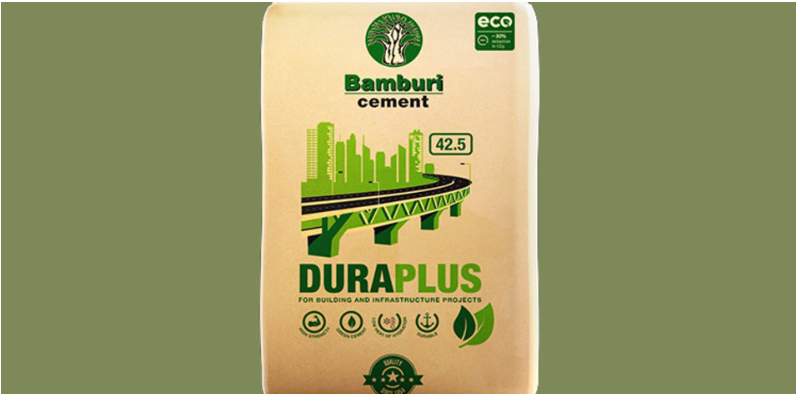
The company’s formulations, including the “Fundi Eco” and “Duracem” variants, were engineered to cut carbon emissions without compromising structural strength. They achieve this by reducing clinker—the most energy-intensive component of cement production.
For years, contractors viewed low-carbon concrete as an expensive or risky alternative. Bamburi’s strategy has relied on systematic education and transparent data demonstrating that greener mixes can match or exceed traditional solutions in durability, workability and strength development.
The firm’s sustainability forum in February brought together over 300 professionals who participated in technical sessions, case reviews and testing demonstrations. The event served as a turning point for many who were unconvinced.
Following the forum, Bamburi rolled out bi-weekly CPD workshops for architects and engineers, focusing on specifying and applying green concrete in structural projects. The sessions have become a significant pipeline for new adopters.
On the ground: the Acacia Towers test case
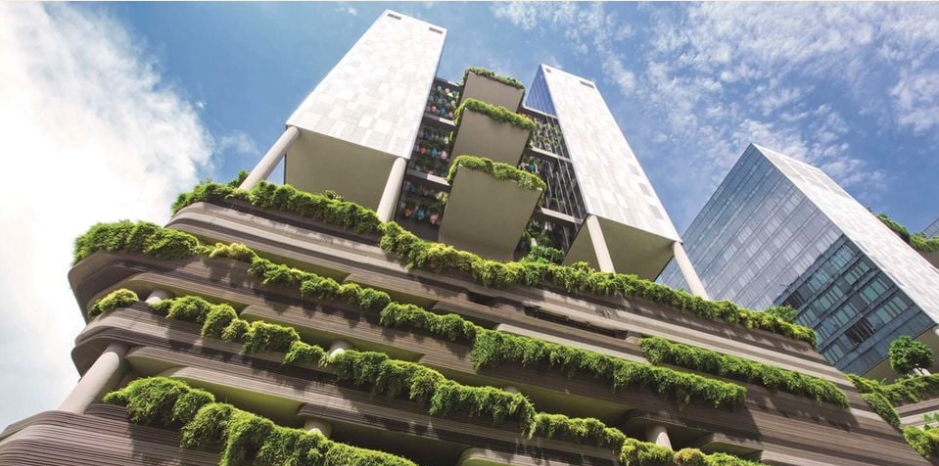
One of the clearest illustrations of this shift is unfolding in Upper Hill at the Acacia Towers development. JengaBora Construction Ltd., the firm behind the commercial high-rise, began integrating Bamburi’s green concrete in January.
Project Manager David Kilonzo explained that the decision was rooted in performance, not public relations. He said the team spent Q4 2024 conducting tests with Bamburi engineers to verify strength, setting behaviour and curing patterns.
Kilonzo said the results exceeded expectations. The company adopted Bamburi’s Fundi Eco for structural elements and Duracem for durability-sensitive sections. The project is expected to use roughly 15,000 cubic meters of concrete.
According to Kilonzo, this shift will cut the project’s carbon footprint by an estimated 1,500 tonnes of CO2. For JengaBora, the reduction supports their sustainability reporting obligations and increases the project’s attractiveness to environmentally conscious tenants.
Acacia Towers represents what industry insiders describe as a broader and irreversible move toward low-carbon construction. Developers are increasingly embedding sustainability metrics in their tender documents, forcing contractors to adapt or risk losing business.
Breaking resistance through evidence and education
While adoption is growing, Bamburi has had to confront familiar barriers: concerns about cost, performance and consistency. Many contractors believed green concrete was more expensive or technologically complex.
Bamburi responded by publishing performance benchmarks, creating technical demonstration projects and offering on-site support for early users. The company’s R&D team developed detailed data sheets showing strength curves, durability test results and cost comparisons.
Engineers interviewed after the February forum said the biggest shift came from seeing real-world applications. A senior structural engineer at a Nairobi consultancy said the technical clarity offered during the demonstrations “removed guesswork” and made the products easier to specify in designs.
The firm’s education-driven approach has created a new perception: green concrete is not a niche substitute but a mainstream option.
Scaling a greener future for Nairobi
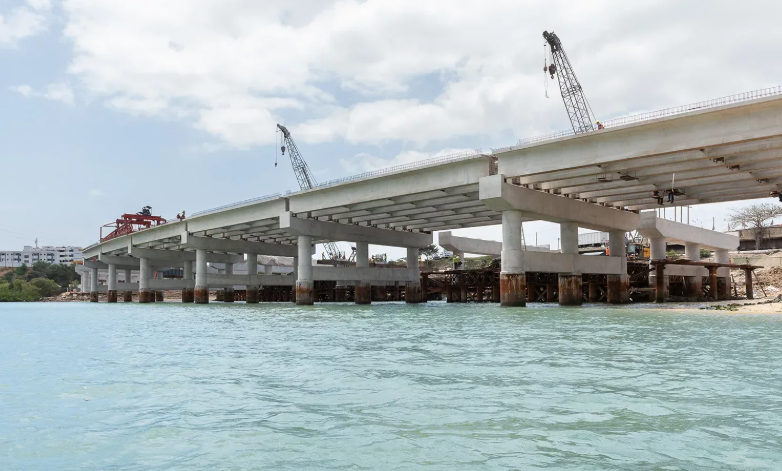
As Nairobi’s skyline expands, regulators and developers are placing new emphasis on sustainable building materials. Demand for green building certification, from LEED to EDGE, is driving contractors to rethink procurement practices.
Bamburi’s strong first-quarter performance positions it as a crucial player in shaping the region’s decarbonisation path. Its green concrete portfolio aligns with Kenya’s national climate commitments and emerging county-level regulations targeting emissions in construction.
Industry analysts say the uptake in Q1 2025 may mark a structural shift rather than a temporary trend. The company is expected to scale capacity to meet rising demand as developers increasingly embed environmental criteria in project designs.
Bamburi’s leadership maintains that the long-term objective is not simply market share. It is to redefine how Kenya builds. The company believes that sustainable materials can coexist with economic growth, supporting both innovation and resilience in the construction sector.
The shift underway in Nairobi suggests the market agrees.