What makes an advert unforgettable in Kenya today? Is it a viral TikTok challenge? A witty billboard on Thika Road? Or a clever M-Pesa prompt that lands at exactly the right time?
In one of Africa’s most digitally connected markets, Kenyan brands are no longer competing only for visibility — they are competing for relevance. With over 60% of the population under 35 and mobile penetration at record highs, attention spans are short, competition is fierce, and authenticity is non-negotiable. Advertising here is no longer about loud slogans; it is about cultural fluency.
From Nairobi’s fast-paced CBD to campus dorm rooms in Eldoret and nightlife scenes in Westlands, campaigns that resonate are those that feel lived-in — not imported. This week’s standout Kenyan ads show how brands are blending humor, technology, and everyday realities to create campaigns that don’t just sell — they connect.
Here’s how five brands turned local insight into powerful engagement.
Fuzu’s Career Boost Challenge Turns Hustle into a Game
In a country where side hustles are practically a second language, career growth can feel overwhelming. Fuzu tapped into this reality by launching the Career Boost Challenge, a gamified digital campaign encouraging users to complete practical tasks like updating CVs, applying for jobs, and attending virtual workshops.
Participants earned points redeemable for airtime, shopping vouchers, and professional perks.
What made the campaign effective was its tone. Instead of speaking in corporate jargon, Fuzu used relatable messaging that mirrored everyday Kenyan conversations about “kuomoka” (leveling up). Social media teasers used humor, memes, and conversational Swahili to draw users in.
The brilliance lay in turning something stressful — job searching — into something playful. Each small win reinforced the idea that progress doesn’t have to feel heavy. By gamifying productivity, Fuzu increased user engagement while positioning itself as a practical career partner rather than just a listings site.
In a market flooded with motivational quotes and generic job ads, Fuzu chose interaction over inspiration — and it paid off.

Tusker Lite Turns Nairobi Murals into Digital Playgrounds
Outdoor advertising in Nairobi is everywhere. Billboards line highways, matatus double as moving canvases, and walls are layered with posters. Standing out requires more than just bold design.
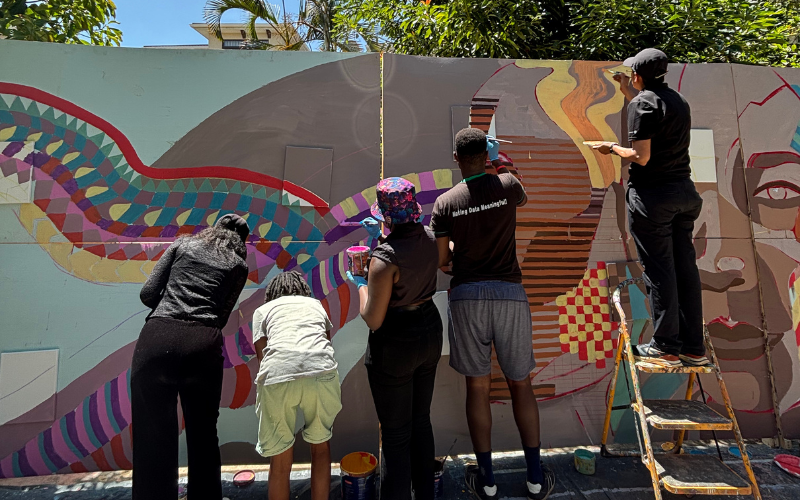
Tusker Lite’s recent activation transformed select Nairobi murals into interactive experiences. By embedding QR codes within street art, the brand invited pedestrians to scan and participate in trivia challenges about music, nightlife, and pop culture.
Winners received discounts, merchandise, and event invites.
The campaign worked because it blended three powerful Kenyan realities: street art culture, nightlife energy, and smartphone dependency. Instead of interrupting people’s commutes, Tusker Lite made the street itself the entertainment.
The brand also leveraged influencers and DJs to amplify participation online, ensuring that the physical activation translated into digital buzz.
In a city where experiences matter as much as products, Tusker Lite positioned itself not just as a drink — but as part of the lifestyle.
Safaricom and M-Pesa Redefine Modern Romance
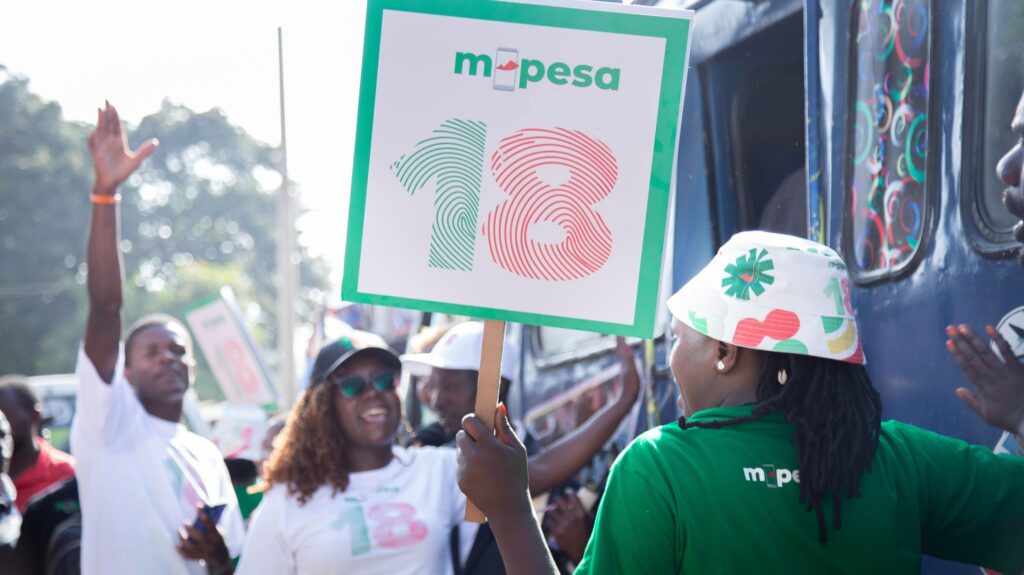
Valentine’s Day campaigns often fall into predictable territory: roses, chocolates, and dinner dates. But Safaricom and M-Pesa chose a smarter angle — focusing on time and shared experiences.
The campaign encouraged users to send digital “experience vouchers” via M-Pesa. Instead of buying physical gifts, couples could transfer funds earmarked for a movie night, road trip, or shared activity.
The messaging centered on the idea that love isn’t about grand gestures — it’s about moments.
By integrating seamlessly into existing payment behavior, the campaign felt natural. It didn’t require downloading a new app or learning a new process. It simply reframed what people were already doing.
What stood out most was the emotional storytelling. Short videos featured young Kenyan couples navigating busy schedules, financial pressures, and modern urban life — reminding viewers that sometimes the most meaningful gift is intentional time.
It was less about selling transactions and more about strengthening brand intimacy.
BrighterMonday’s Skill Swap Series Taps Influencer Trust
Kenya’s influencer economy has matured significantly. Audiences can detect inauthentic endorsements instantly. BrighterMonday understood this and built a campaign rooted in collaboration rather than sponsorship.
The Skill Swap Series paired entrepreneurs, content creators, and professionals in short-form videos where they exchanged practical career tips. One episode might feature a digital marketer sharing branding advice, followed by a small business owner explaining budgeting hacks.
The format felt organic and educational, not scripted.
Optimized for Instagram Reels and TikTok, the campaign capitalized on Kenya’s appetite for snackable video content. But beyond format, it thrived on relatability. Viewers saw people who looked and sounded like them — navigating similar challenges.
Rather than positioning itself as the sole authority, BrighterMonday became a facilitator of community knowledge.
In a trust-driven market, that shift from broadcaster to convener made all the difference.

Kenya Airways’ #FlyKenya Moments Celebrate Everyday Stories
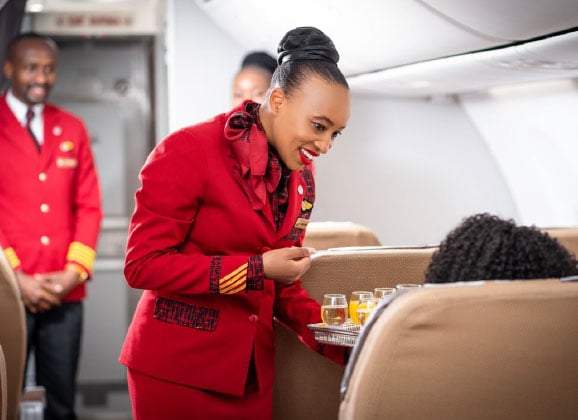
National pride is a powerful marketing tool when handled authentically. Kenya Airways tapped into this sentiment through its #FlyKenya Moments campaign.
Instead of glossy, aspirational travel imagery, the airline spotlighted everyday passengers traveling for weddings, graduations, business trips, and family reunions. Short stories accompanied each post, humanizing the journey.
The strategy emphasized domestic routes as much as international ones, reinforcing the airline’s role in connecting the country internally.
User-generated content was central. Passengers were encouraged to share their own travel stories, creating a ripple effect of organic testimonials.
In a competitive aviation market, emotional connection can outweigh price promotions. By focusing on stories rather than sales, Kenya Airways strengthened its brand narrative as the airline of Kenyan life.
Relevance Is the New Reach
The common thread across these campaigns is not budget size or production quality. It is cultural alignment.
Kenyan consumers are savvy. They scroll fast, skip quickly, and engage selectively. Brands that succeed are those that understand daily realities — the hustle, the humor, the ambition, the digital dependency, and the communal spirit.
Advertising here is evolving from announcement to participation. From static billboards to interactive murals. From generic promotions to personalized experiences.
The message for marketers is clear: in Kenya, creativity must speak the language of the streets, the timelines, and the payment notifications.
When it does, engagement follows naturally.
And when engagement is authentic, conversion becomes inevitable.