Kenya Airways’ decision to deploy a recently restored aircraft to meet festive season demand is being framed publicly as a sign of operational recovery. But beneath the celebratory messaging lies a more complex story about fleet pressure, deferred maintenance, and the fragile balance between demand growth and operational resilience at the national carrier.
Thank you for reading this post, don't forget to subscribe!The airline confirmed that the aircraft, returned to service ahead of the December travel rush, will be used to support increased passenger volumes during the Christmas and New Year period. The festive season is traditionally the busiest time for regional and domestic travel, with routes to the Coast, western Kenya, and select regional destinations recording near-capacity bookings.
Yet the move also highlights how thin Kenya Airways’ operational margins remain after years of financial turbulence, restructuring, and fleet rationalisation.
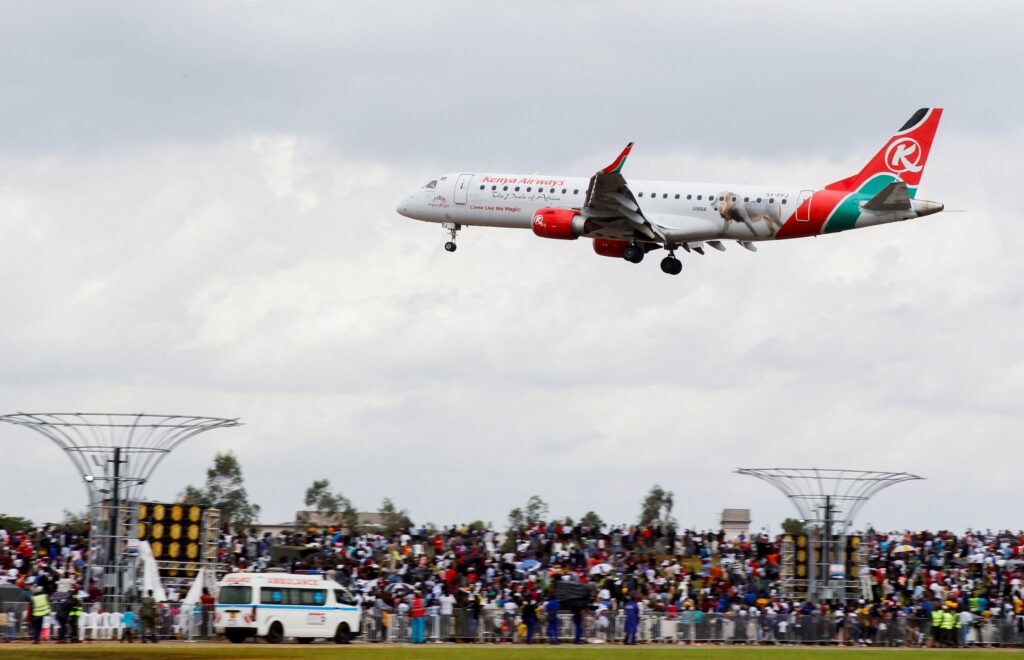
A festive surge meets a stretched fleet
Passenger traffic across East Africa has rebounded sharply since mid-2024, driven by tourism recovery, diaspora travel, and pent-up domestic demand. Kenya Airways has benefited from this rebound, reporting stronger load factors and improved revenues on key routes.
However, industry analysts note that the airline’s fleet size has not expanded at the same pace as demand. Several aircraft remain grounded due to long-term maintenance, lease renegotiations, or delayed engine overhauls, leaving little slack during peak travel periods.
The deployment of a restored aircraft is therefore less about expansion and more about plugging a capacity gap. Internal scheduling data reviewed by aviation insiders shows that without the aircraft’s return, Kenya Airways would have faced tight turnaround times, higher risk of delays, and limited contingency options during the festive rush.
For passengers, this translates into fuller flights and fewer alternative rebooking options when disruptions occur.

Restoration, not renewal
While Kenya Airways has described the aircraft as “restored,” aviation experts are careful to distinguish restoration from fleet renewal. Restored aircraft typically undergo heavy maintenance checks and component replacements to extend operational life, rather than representing new capital investment.
This strategy reflects the airline’s constrained financial position. Although Kenya Airways recently posted a profit after more than a decade of losses, its balance sheet remains sensitive, with debt obligations and lease costs still weighing heavily.
Restoration offers a cost-effective way to return aircraft to service without committing to new purchases or long-term leases. But it also increases reliance on older planes, which can drive up maintenance costs over time and raise reliability risks during high-frequency operations.
Sources within the aviation sector say the airline is walking a careful line between maximizing available assets and avoiding the operational risks that come with pushing aging equipment during peak demand.
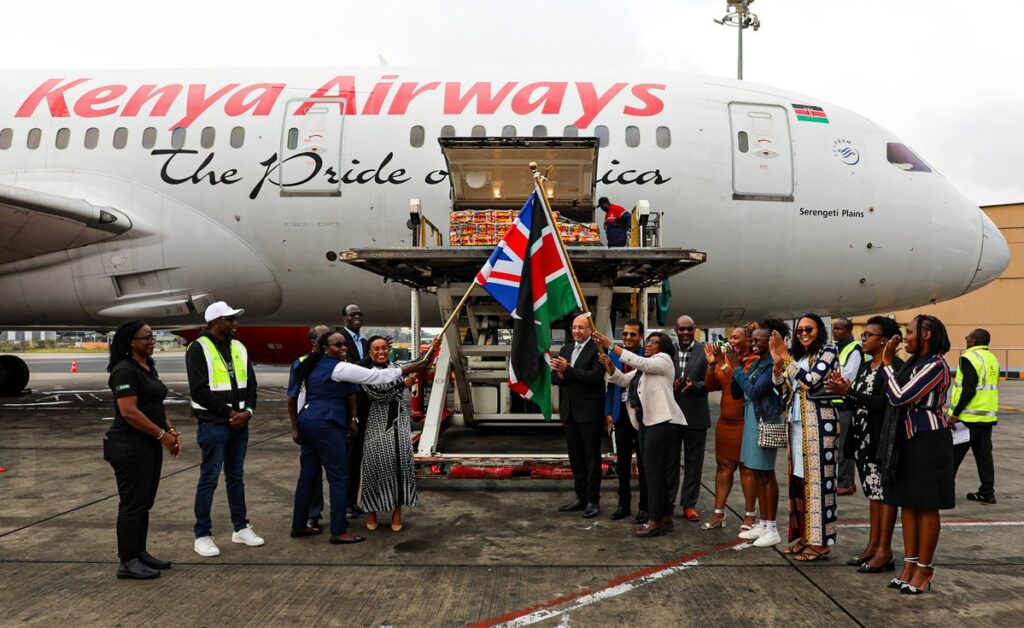
Operational gains under scrutiny
Kenya Airways’ management has credited recent leadership and turnaround strategies with restoring operational viability. Cargo revenues, route optimisation, and disciplined cost controls have all contributed to improved performance.
The festive deployment, however, puts those gains under a stress test. Peak-season operations expose weaknesses faster than normal schedules, particularly in crew availability, spare parts logistics, and ground handling coordination.
At Jomo Kenyatta International Airport, aviation workers describe intensified turnaround pressure as flights stack closer together. Any minor technical delay can ripple across multiple routes, especially when spare aircraft are limited.
The airline insists that safety standards are uncompromised and that all restored aircraft meet regulatory requirements. Still, the reliance on restored capacity underscores how little room there is for error during Kenya Airways’ busiest season.

The wider signal to investors and policymakers
Beyond the immediate festive rush, the aircraft’s return to service sends a signal to investors, lenders, and policymakers watching Kenya Airways’ recovery. It demonstrates operational ingenuity but also highlights structural constraints.
For the government, which remains deeply intertwined with the airline’s fortunes, the situation raises questions about long-term fleet strategy. Should Kenya Airways continue extending the life of existing aircraft, or is a phased renewal inevitable to sustain growth?
For investors, the festive season will serve as a real-world audit of the airline’s turnaround narrative. On-time performance, customer satisfaction, and operational stability over the coming weeks will shape confidence more than quarterly statements.
As travel demand continues rising across the region, Kenya Airways’ ability to meet peak pressure without compromising reliability may ultimately define whether its recovery is durable or merely seasonal.