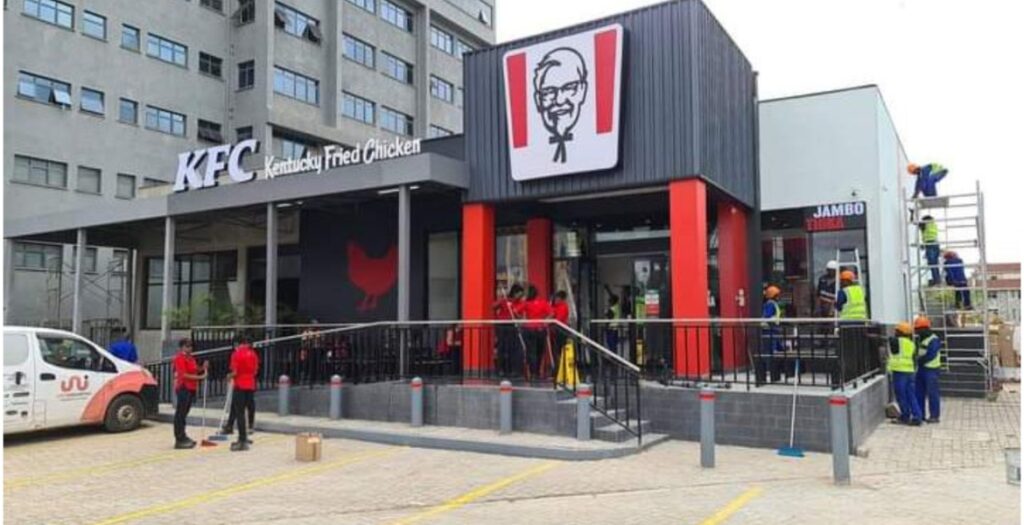
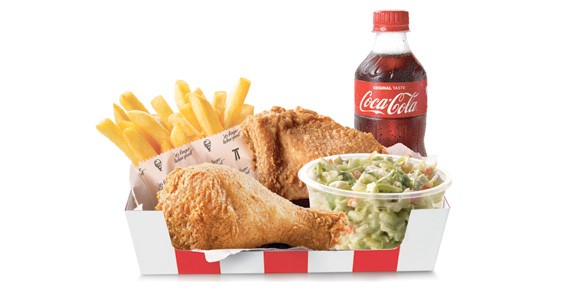
When KFC Kenya unveiled its Streetwise Wing Box campaign, few expected the brand to abandon the glossy, predictable route that most international franchises follow. Instead of presenting a perfectly designed ad, the company released a storyline that appeared accidental, messy and suspiciously like something that had gone wrong inside the marketing department itself. What followed was a cultural moment that dominated Kenyan social media and revealed a profound shift in how brands can connect with audiences.
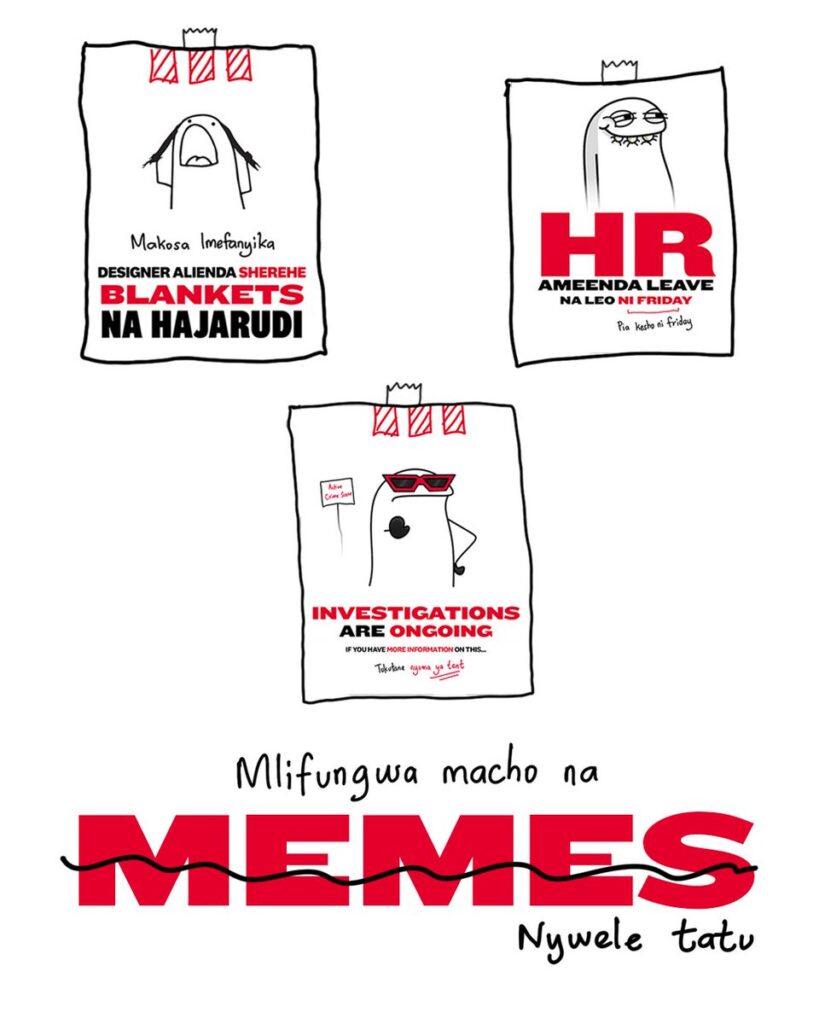
The campaign, popularly referred to as “Makosa Imefanyika,” began with a simple premise: the designer responsible for the promotional artwork had disappeared. The posts that followed portrayed a frantic internal scramble to locate the employee, finish the creative work and manage a fictional HR disaster. Nothing about it felt like an advertisement. That illusion — that sense of real workplace confusion spilling into the public — is precisely what made the story explode.
Cultural Fluency as a Strategic Weapon
What made Kenyans embrace the campaign so enthusiastically was not just the humor, but the language and timing. Instead of polished corporate English, the brand spoke in a mix of Sheng, Kiswahili slang and deeply familiar office banter. The tone felt like something captured straight from WhatsApp office groups across Nairobi. The references to Monday morning hangovers, especially after popular weekend events, made the storyline feel ripped from everyday life.
For once, KFC was not speaking like an international fast-food chain trying to localize its voice. It was speaking like a Kenyan. That cultural fluency, so rarely achieved by global brands, created immediate resonance. The audience felt seen, understood and included in what seemed like an inside joke. That sense of shared humor gave the campaign a life of its own, far beyond the original product advertisement.

A Storyline That Became a Social Media Series
As more posts dropped, the chaos escalated. Suddenly, the missing designer resurfaced online, typing long, chaotic messages filled with wild excuses, dramatic self-defence and promises to check in with HR. The tone was familiar to anyone who has ever worked with a colleague who disappears at the worst possible moment, then returns with a heartfelt apology and somehow gets forgiven.
Kenyans were no longer watching an ad. They were following an unfolding digital sitcom. Memes began circulating. People imitated the posts. Others started creating theories about the fictional characters. The entire campaign transformed into a serialized drama, with each update pulling the audience further into the story.
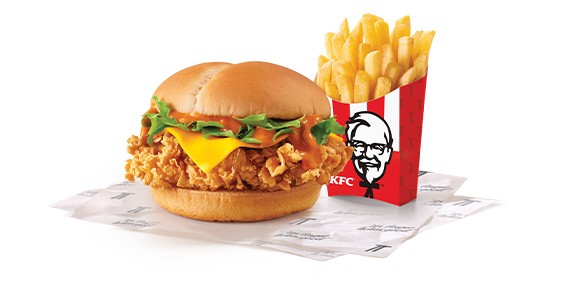
When HR finally stepped into the storyline and issued a final warning to the designer, the internet erupted. The office drama had reached peak intensity, and the Wing Box — the actual product — almost felt like a concluding character in the narrative. The final reveal of the actual artwork did not feel anticlimactic but instead felt like a punchline to a very well-told joke.
Why Imperfection Worked Better Than Perfection
KFC Kenya’s approach succeeded because it defied the conventional rulebook of brand advertising. Instead of striving for sleek perfection, the campaign embraced the flaws of human behavior. It showcased the chaos, panic and humor found in real offices. That authenticity was magnetic. In a digital world overflowing with polished visuals, the refreshingly imperfect approach cut through the noise.
The campaign also succeeded because it prioritized emotion over aesthetic perfection. Rather than dazzling the audience with design, it made them laugh. It invited them into a familiar scenario. It triggered the same emotional intimacy that comes from storytelling, not advertising. That emotional connection became more powerful than any standard promotion could have achieved.
The timing strengthened the strategy even more. Kenya’s digital culture thrives on humor and rapid commentary. By launching during a period when people were primed for Monday morning jokes, the brand ensured that its posts landed at the right cultural moment.
A New Blueprint for Kenyan Digital Advertising
This campaign exposed a significant lesson in modern marketing: audiences respond more deeply to stories than to sales messages. KFC told a story, and the product became part of that story rather than the forced center of attention. It demonstrated that brands no longer need to look flawless to win trust; they need to look relatable.
The campaign also redefined social engagement. Instead of posting content and waiting for comments, KFC drove conversation intentionally. Every post was crafted to trigger a response, a laugh, a retweet or a remix. It was not engagement by chance but engagement by design. The audience did not merely witness the story; they participated in it.
The absence of polished visuals also sent a powerful message: authenticity now outperforms aesthetic perfection. Kenyans are no longer swayed by glossy marketing alone. They crave genuine voice, humor and cultural relevance. KFC Kenya’s decision to commit fully to this strategy transformed a simple product push into a cultural moment.
A Campaign That Redefined Brand Storytelling
“Makosa Imefanyika” stands as one of the most successful advertising examples in Kenya’s recent digital landscape. It signaled a new era where brands must speak with, not at, their audiences. It proved that the most effective campaigns are not the ones that shout the loudest, but the ones that listen, adapt and embed themselves within the rhythm of local conversation.
The campaign’s blend of humor, relatability and narrative structure showed that advertising is most powerful when it stops being an ad and becomes a story. For KFC Kenya, this approach did more than push sales; it built cultural presence. It made the brand feel alive, human and unmistakably Kenyan.
If other brands take note — and many already have — Kenya’s advertising scene may soon shift toward a future where authenticity drives strategy, humor fuels engagement and imperfection becomes a creative asset rather than a flaw.