A new engine is humming in Kenya’s car market — and it’s not just another imported brand rolling onto Mombasa Road. Chery, one of China’s leading automotive powerhouses, is back in Kenya with a bold plan: local assembly, local partnerships, and a renewed push to capture a growing consumer class that’s looking for affordable, tech-forward vehicles.
The move marks a new chapter not just for Chery, but for Kenya’s evolving automotive industry — one that’s increasingly defined by regional manufacturing, changing consumer preferences, and a government eager to reduce import dependency.

A Reintroduction, Not a Debut
Chery is not a stranger to Kenya. The automaker first entered the market more than a decade ago, but the timing wasn’t right. Limited brand recognition, aftersales challenges, and stiff competition from established Japanese imports forced an early exit.
Fast-forward to 2025, and the story reads differently. Kenya’s auto market has transformed, driven by a youthful, upwardly mobile population and a government pushing the “Buy Kenya, Build Kenya” agenda. Chery’s re-entry this time isn’t just about selling cars — it’s about assembling them locally, creating jobs, and building a brand narrative rooted in reliability and innovation.
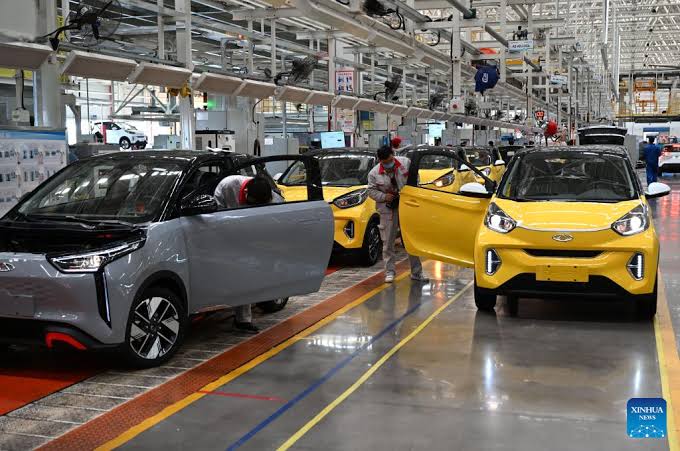
The company is setting up a local assembly line in partnership with a Kenyan firm, signaling confidence in the country’s industrial capacity and its role as an East African gateway.

Why Local Assembly Matters
Local assembly isn’t just a political buzzword — it’s the backbone of Kenya’s auto future. With over 90% of vehicles on Kenyan roads being used imports, assembling vehicles locally could be a game-changer for affordability, quality assurance, and job creation.
Chery’s new facility aims to produce a range of vehicles tailored for the Kenyan market, from compact SUVs to efficient sedans that appeal to both private buyers and corporate fleets. The company says this approach will allow it to reduce costs by 20–30%, making it competitive against used imports.
“Kenya is a natural hub for automotive growth in East Africa,” said a Chery Kenya spokesperson during the launch. “We’re not just assembling cars here — we’re assembling opportunity.”
The African Auto Renaissance
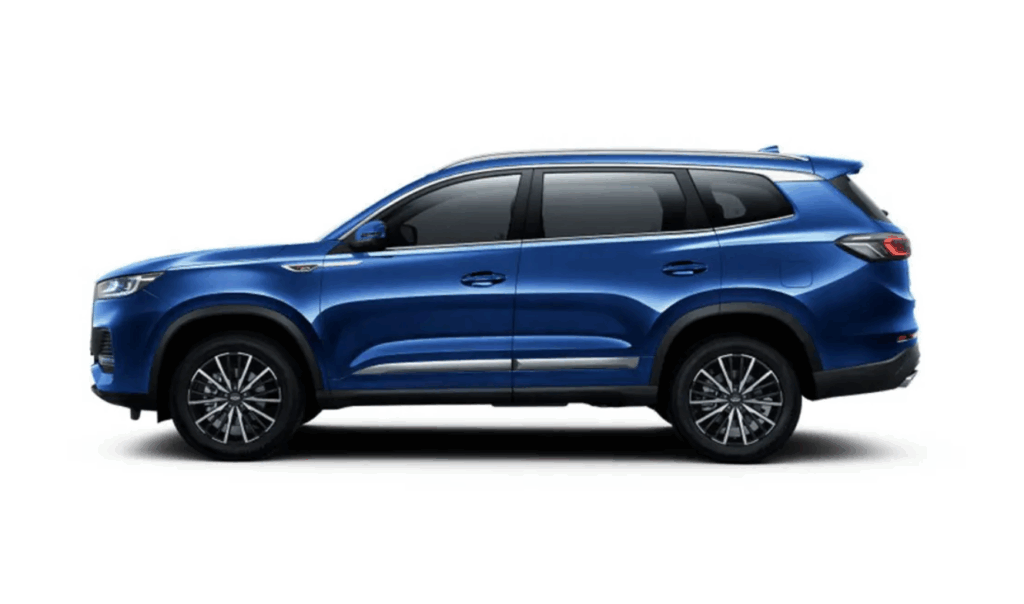
Chery’s expansion into Kenya reflects a larger trend: Africa’s emerging auto manufacturing scene. From Volkswagen assembling in Thika to Peugeot in Ruiru and Mobius building locally-designed vehicles, the continent is seeing a quiet industrial revolution.
China’s automakers, once viewed as low-cost imitators, are now exporting design innovation and smart technology. Chery’s models come equipped with AI-enabled driving systems, voice commands, and hybrid-ready engines, aligning with the continent’s growing appetite for tech-integrated living.
The company’s global sales jumped by 52% in 2024, with Africa being one of its fastest-growing regions. Its presence in Kenya could open doors for further expansion across East Africa, leveraging the African Continental Free Trade Area (AfCFTA) to export vehicles duty-free.
Shifting Gears: Targeting Kenya’s Young Buyers
Kenya’s median age is 20. This is not a market of nostalgic drivers—it’s a generation raised on smartphones, convenience, and design.
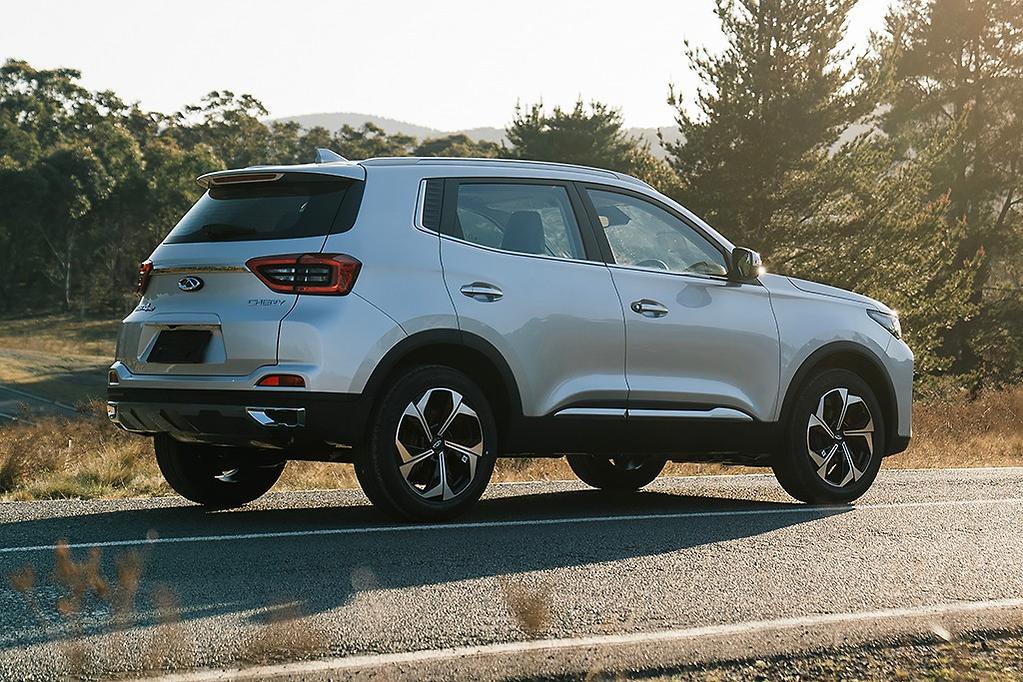
Chery’s marketing strategy mirrors that shift. Expect influencer partnerships, test-drive pop-ups in malls, and interactive showrooms designed for content creation. Its flagship Chery Tiggo 4 Pro, already popular in South Africa, will headline the Kenyan launch — blending affordability with luxury aesthetics.
Analysts say the company is positioning itself between traditional Japanese reliability and European sophistication — but at a price tag that undercuts both.
The Electric Question
No conversation about cars in 2025 can skip electrification. While Kenya’s EV ecosystem is still developing, Chery has one eye firmly on the future. The automaker has announced plans to introduce plug-in hybrid and fully electric models in Kenya within two years, depending on infrastructure readiness.
This aligns with Kenya’s commitment to clean energy — already one of Africa’s leaders in renewable power. “We see Kenya not just as a market for cars, but as a partner in sustainable mobility,” said the Chery Africa Regional Director.
Industry observers believe this could push other automakers to accelerate their EV plans, transforming Kenya into a pilot market for affordable electric mobility in Africa.
Challenges on the Road Ahead
Still, the road to dominance won’t be smooth. Kenya’s car market is notoriously price-sensitive, with many buyers relying on flexible financing or opting for secondhand imports from Japan. Chery’s success will depend on its ability to balance affordability with quality — and to prove long-term commitment through consistent aftersales service and spare parts availability.
Then there’s perception. While Chinese automakers are improving globally, some Kenyan consumers remain skeptical about durability and resale value. Chery hopes to overcome this through a five-year warranty, local service centers, and visible partnerships with trusted Kenyan institutions.
Beyond Cars: Building an Ecosystem
Perhaps the most ambitious part of Chery’s strategy is its ecosystem approach. Beyond car assembly, the company plans to collaborate with local universities and technical institutes to train mechanics and engineers in new automotive technologies.
It’s also exploring local content sourcing — meaning that in the future, parts of the vehicles could be manufactured in Kenya, not just assembled. That would mark a major step toward industrial self-reliance.
Government officials have lauded the move as a milestone in Kenya’s industrial transformation. “This partnership proves that Kenya can build and export world-class products,” said a representative from the Ministry of Investment, Trade and Industry.
Kenya’s New Auto Identity
The return of Chery comes at a symbolic moment for Kenya — a nation defining its identity in global trade. From renewable energy to fintech, and now automotive innovation, Kenya is showing that it’s not just consuming global brands, but shaping them.
If Chery succeeds, it could pave the way for a new kind of brand story — one where local assembly plants become engines of economic growth, innovation, and pride.
As Kenya’s roads evolve, so too will its reputation — from a nation of importers to a nation of creators.