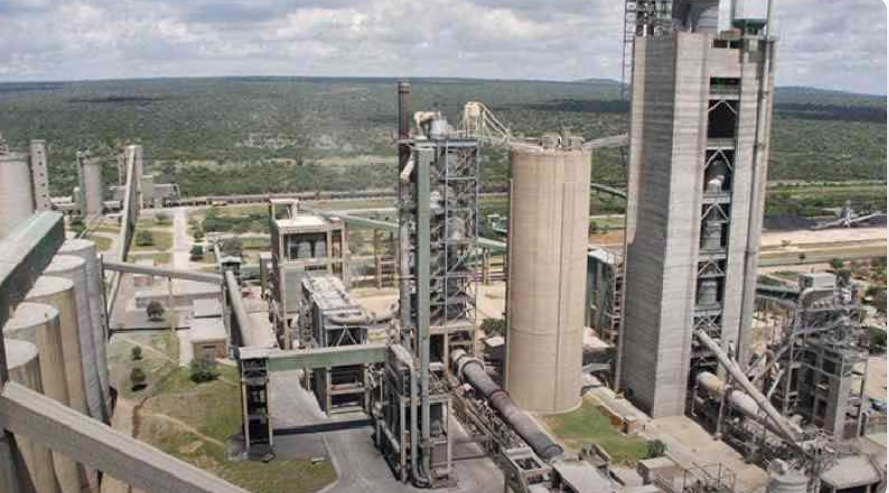
The takeover of East African Portland Cement Company (EAPCC) by Amsons Group has triggered fresh scrutiny over the future of one of Kenya’s oldest cement manufacturers. After years of financial turmoil, the National Social Security Fund quietly offloaded its 27 percent stake to Kalahari Cement Ltd, a subsidiary of the Tanzania-owned Amsons Group. The deal, approved by all key regulators, hands Amsons a commanding 69 percent shareholding and effective control of a company long seen as strategically important to the construction sector.
EAPCC’s collapse has been unfolding for over a decade, with losses becoming the norm rather than the exception. Its dividend payout to shareholders earlier this year was not driven by business performance but by land sales—an admission that operations had stagnated. The takeover raises hopes of a turnaround, but also concern about how a foreign-owned conglomerate will shape the future of Kenya’s cement supply chain.
Inside the Amsons expansion puzzle
Amsons Group has not hidden its appetite for dominance in the regional cement industry. In December 2024, it acquired Bamburi Cement, the largest player in the Kenyan market. Since then, Bamburi has posted double-digit growth in EBITDA, attributed to group-level efficiencies and tighter operational control. Now, with EAPCC under its arm, Amsons is positioned to influence pricing, distribution, and supply across key markets.
The group’s Managing Director, Edha Munif, insists the EAPCC buyout is about unlocking value. He says the firm intends to triple production capacity within three years, supported by heavy investment in modern equipment and new clinker plants. He argues that the acquisition will revive local manufacturing, reduce reliance on imports, and create thousands of jobs.
However, industry analysts say the pace and scale of Amsons’ expansion demand closer scrutiny. With control of both Bamburi and EAPCC, the company now holds a significant market share that could reshape competition. The question is whether this consolidation strengthens Kenya’s industrial base or shifts too much power into the hands of a single regional player.

The Rift Valley plant under the microscope
EAPCC’s Athi River plant has become the symbol of its prolonged decline. Ageing machinery, ballooning debts, and mismanagement have crippled production capacity for years. Workers have endured irregular operations and periodic layoffs. The plant, once a pillar of Kenya’s construction boom, had become synonymous with industrial decay.
Amsons’ promise to revive the plant is ambitious, yet it raises operational questions. Tripling production in three years requires large-scale overhauls, new energy solutions, and a secure clinker supply chain. The group’s strategy appears to hinge on integrating EAPCC with Bamburi’s growing network, including the massive 5,000 TPD clinker facility under construction in Kwale County.
The Kwale project, valued at more than USD 300 million, is expected to generate over 1,000 direct jobs and power the group’s long-term expansion. But some industry watchers warn that EAPCC’s revival may depend less on local operational transformation and more on the strength of Amsons’ other assets.

Regulatory approvals raise deeper questions
The competition concerns surrounding the takeover were significant enough to require approvals from the Capital Markets Authority, the Competition Authority of Kenya, and the Ministry of Mining. Their green light suggests confidence in Amsons’ financial strength and technical capacity. But it also signals a broader policy shift—one that appears to favour foreign investors with deep pockets over domestic institutions struggling with liquidity.
Sources within the sector say the government has been under pressure to revive EAPCC for years. With public coffers strained, private capital became the only viable rescue path. Yet the speed and quiet nature of the sale to Amsons has drawn attention. For a company owning valuable land, strategic industrial assets, and national economic importance, transparency around the sale has been minimal.
NSSF’s role and the price of exit
The National Social Security Fund’s decision to sell its 27 percent stake is equally consequential. NSSF had long been one of EAPCC’s largest institutional shareholders, and its exit effectively opened the door to Amsons’ majority control. The fund has not publicly disclosed the value of the transaction, raising questions about whether Kenyan pensioners received fair compensation for their stake in the company.
What is clear is that NSSF had little appetite to keep sinking into a loss-making enterprise. The sale relieved it of financial pressure but also surrendered influence over a company central to Kenya’s construction and infrastructure ambitions. The shift underscores a larger trend: public institutions increasingly offloading industrial assets to private, foreign-owned firms.

A new era or a new monopoly?
As Amsons tightens its grip on Kenya’s cement landscape, the industry faces a turning point. Supporters say the group’s takeover offers a lifeline for a failing company and a much-needed boost for manufacturing. Critics warn that a powerful conglomerate controlling multiple major cement producers poses long-term risks to pricing, competition, and local autonomy.
The economic promise is undeniable. New plants, increased production, and job creation could strengthen Kenya’s construction sector for years. Yet the concentration of ownership demands careful monitoring as the group moves to reshape the market in its favour.
EAPCC’s fate will depend on how effectively Amsons can balance expansion with transparency, innovation, and fair competition. The next three years may determine whether this acquisition becomes a national success story—or another instance of an industrial giant slipping into corporate shadows.